
“Truth is the boundary of knowledge; it is the horizon toward which we move.” This sentiment from the German philosopher Immanuel Kant underscores the fundamental pursuit of every journalist. We seek the truth not just for ourselves, but as a duty to the public. However, as I stood in the Vancouver Convention Centre yesterday for the FIFA Congress, that horizon felt intentionally obscured by layers of security and “SAD” passes. SAD are “Supplementary Access Devices”, which forces photojournalists and bloggers to choose between being a photographer OR a journalist, rather than both.”
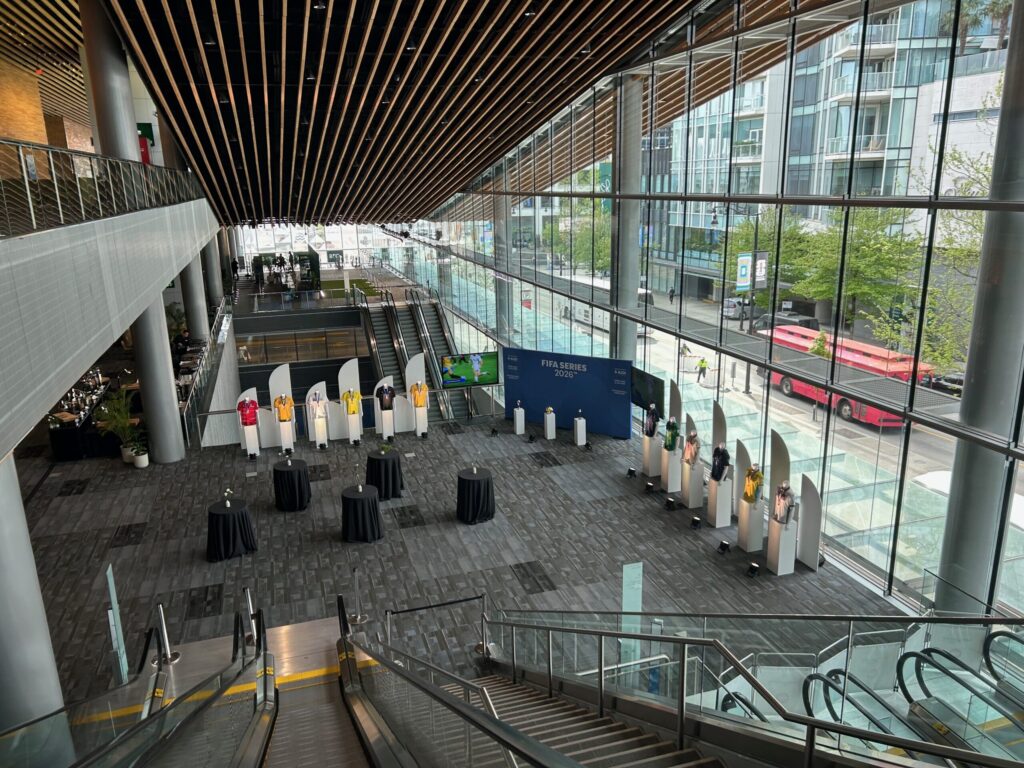
The Vital Role of the Press
In a recent newsletter, Rozina Breen, Director of Editorial Programs at the Pulitzer Center, noted that journalism today isn’t just important—it’s vital. She writes:
“Public interest reporting lies at the very core of a healthy democracy: shining a light on truth, demanding transparency, and holding power to account. In an era challenged by misinformation and disinformation, generative AI, and deepening inequalities and authoritarianism, protecting press freedom is harder than ever—but it’s also more urgent than ever.”
Her words echoed in my mind as I navigated the physical and metaphorical barriers of the Congress. If reporting is the core of a healthy democracy, what does it say when the world’s largest sporting organization creates an environment that feels designed to prevent it?
The Red Jackets and the Gatekeepers
This event was organized by FIFA, but it was run by two very different kinds of people: unpaid volunteers in red jackets with friendly manners, and security personnel who seemed determined to control every movement.
The level of control extended even to basic needs. Going to the bathroom meant taking an escalator in the opposite direction, going up a floor, and walking around to a separate restroom. The reason was clear: to ensure there was no incidental contact with delegates.
A Dream of Connectivity
For Westcoast German News, a blog that has been reporting since 2007, being invited as media to the FIFA Congress was a privilege. My goal was simple: to meet the Austrian, German, and Swiss delegates—to hear their stories and share insights with our community ahead of the upcoming matches.
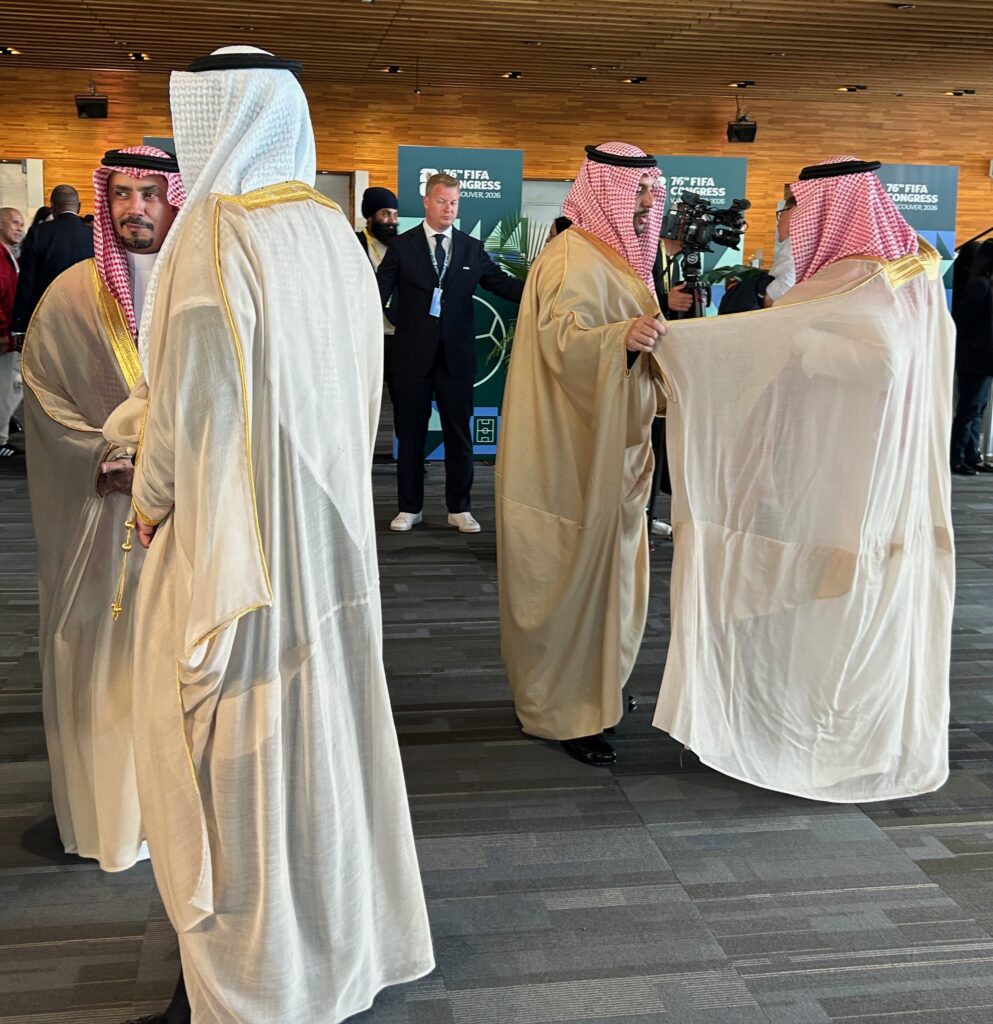
Instead, gathering information proved elusive. The security presence was massive—understandable given the global stature of the event—but it came at the cost of connection. There was no visible cultural celebration, no flags or jerseys, and a surprising absence of local consular representation. Even experienced journalists from major German broadcasters left without the interviews they had come for.
Barriers, Both Physical and Literal
The logistics of the day seemed to prioritize separation over communication.
Despite a bad knee, I was prevented from using an escalator because it was considered too close to delegate pathways. I was redirected to a hidden elevator—functional, but symbolic of a broader sidelining.
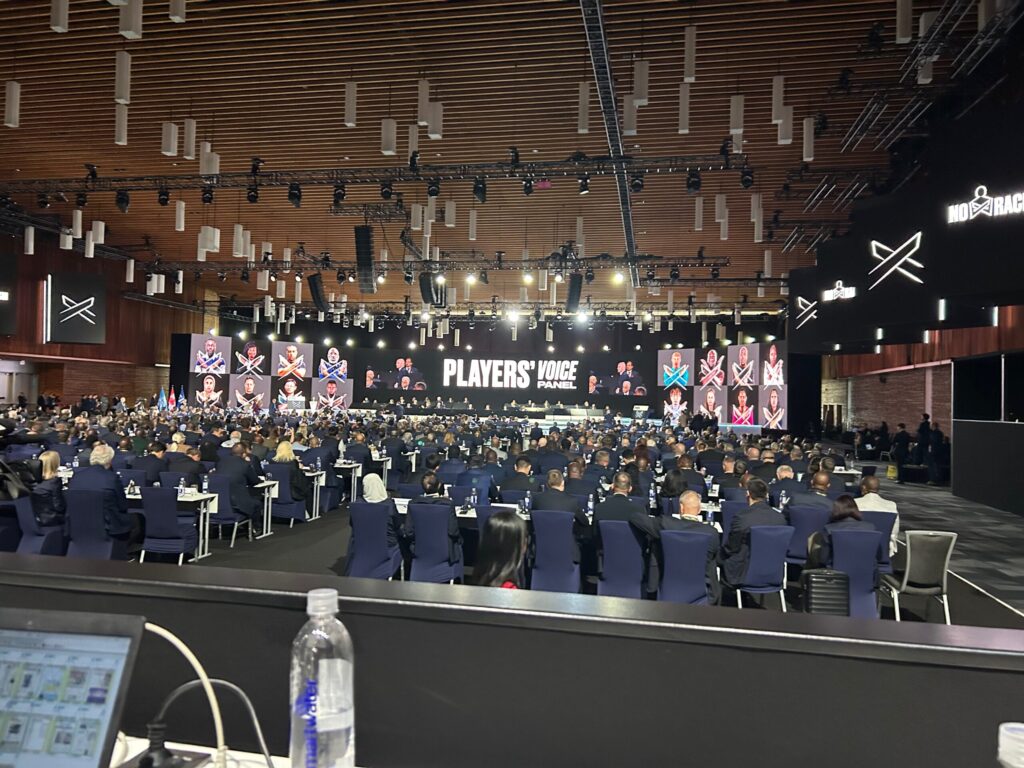
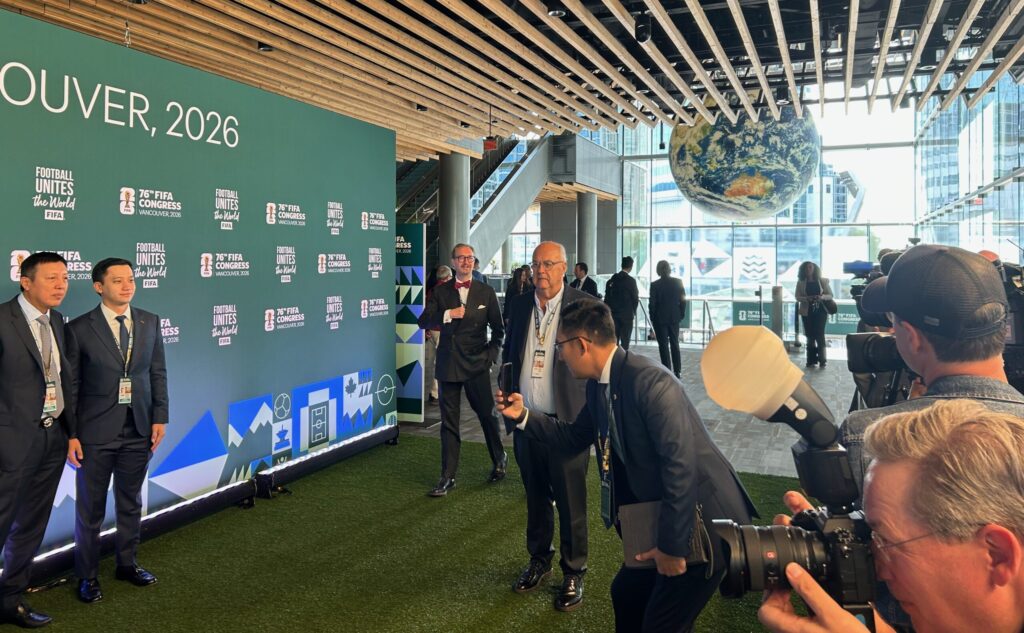
We were issued “Supplementary Access Devices,” or “SADs,” which determined who could step onto the media platform and who could not. While FIFA’s own photographers had prime positioning, many independent and international media were placed at the back of a vast hall with challenging lighting conditions.
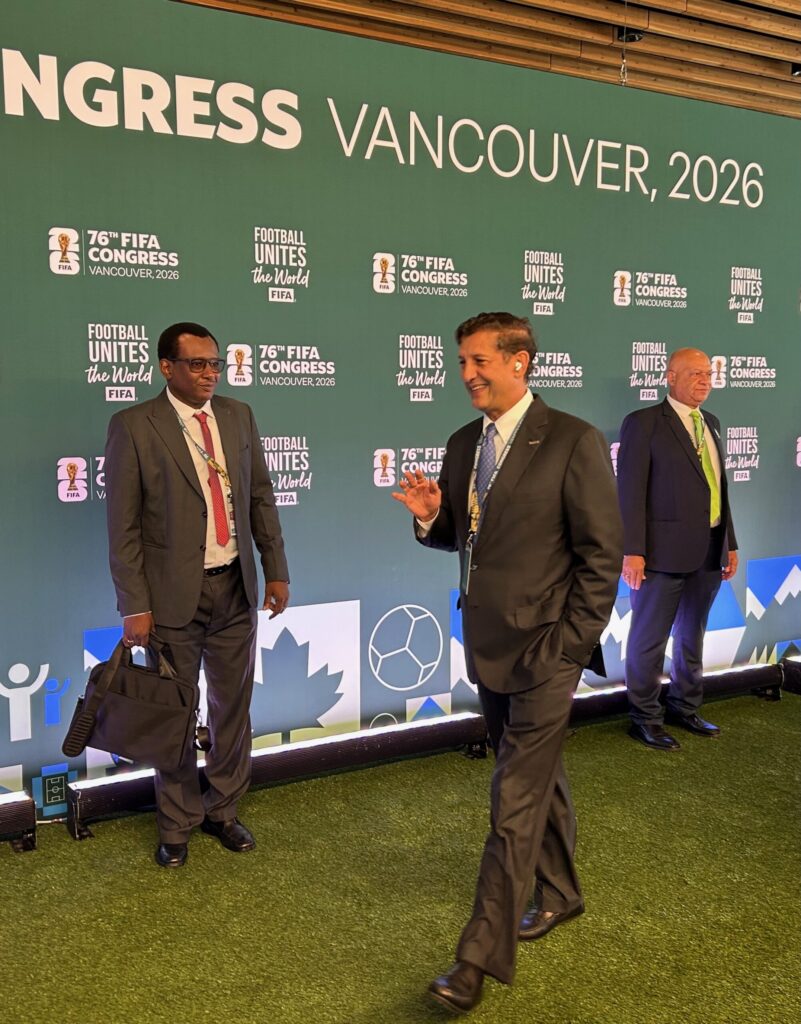
Access to the Mixed Zone—where interviews typically happen—was also inconsistent. Initially restricted based on credential type, access was later granted to almost everyone after the official part of the event was finished. But the delegates had to choice to walk behind the media wall and “escape” or walk in front and confront the dozens of media that were longingly waiting for that interview they came for. Except for a few smattering of delegates and those who wanted to take selfies, hardly anyone came around.
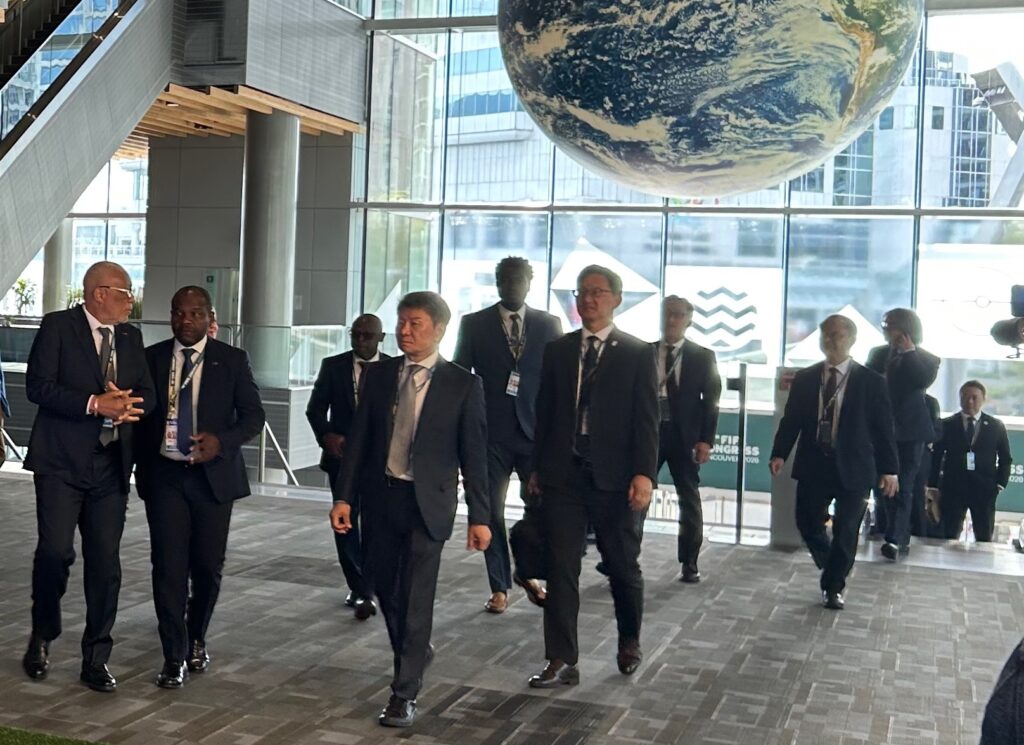
A Tale of Two Experiences
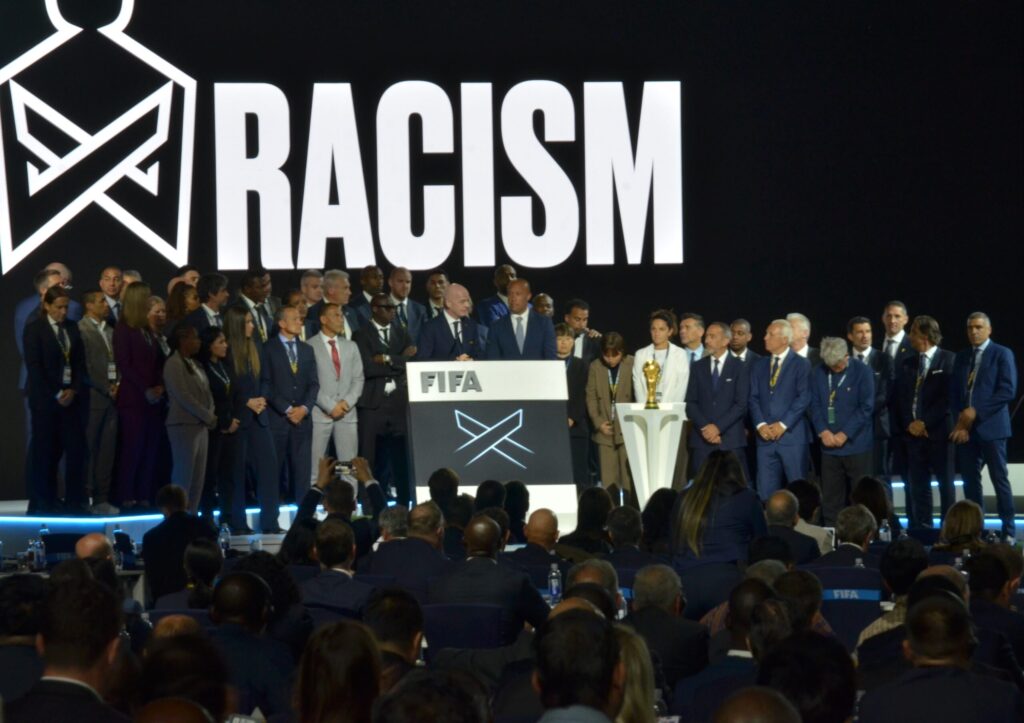
To be fair, the Congress itself was executed with remarkable precision. Delegates were guided through a structured agenda of 13 items, each handled efficiently through an electronic voting system. Each participant was equipped with a device that allowed them to vote instantly, reflecting a high level of organization and technical capability. They all had translation devices that would translate into different languages.
Even so, the process took approximately three hours—longer than expected. What was announced as a short 11:30 a.m. coffee break was actually a lunch break, but we were still supposed to eat it in 15 minutes – sandwich, cookie and a cup of tea. Delegates got delicious catered food afterwards, but the media just went home.
From a technical standpoint, the media area was well equipped. Journalists were seated at tables with universal power outlets—though not immediately intuitive—and provided with translation devices that delivered real-time English interpretation of the proceedings. Bottled water and media swag, including a box of chocolates, added a thoughtful touch.
But beyond these details, the experience diverged sharply.
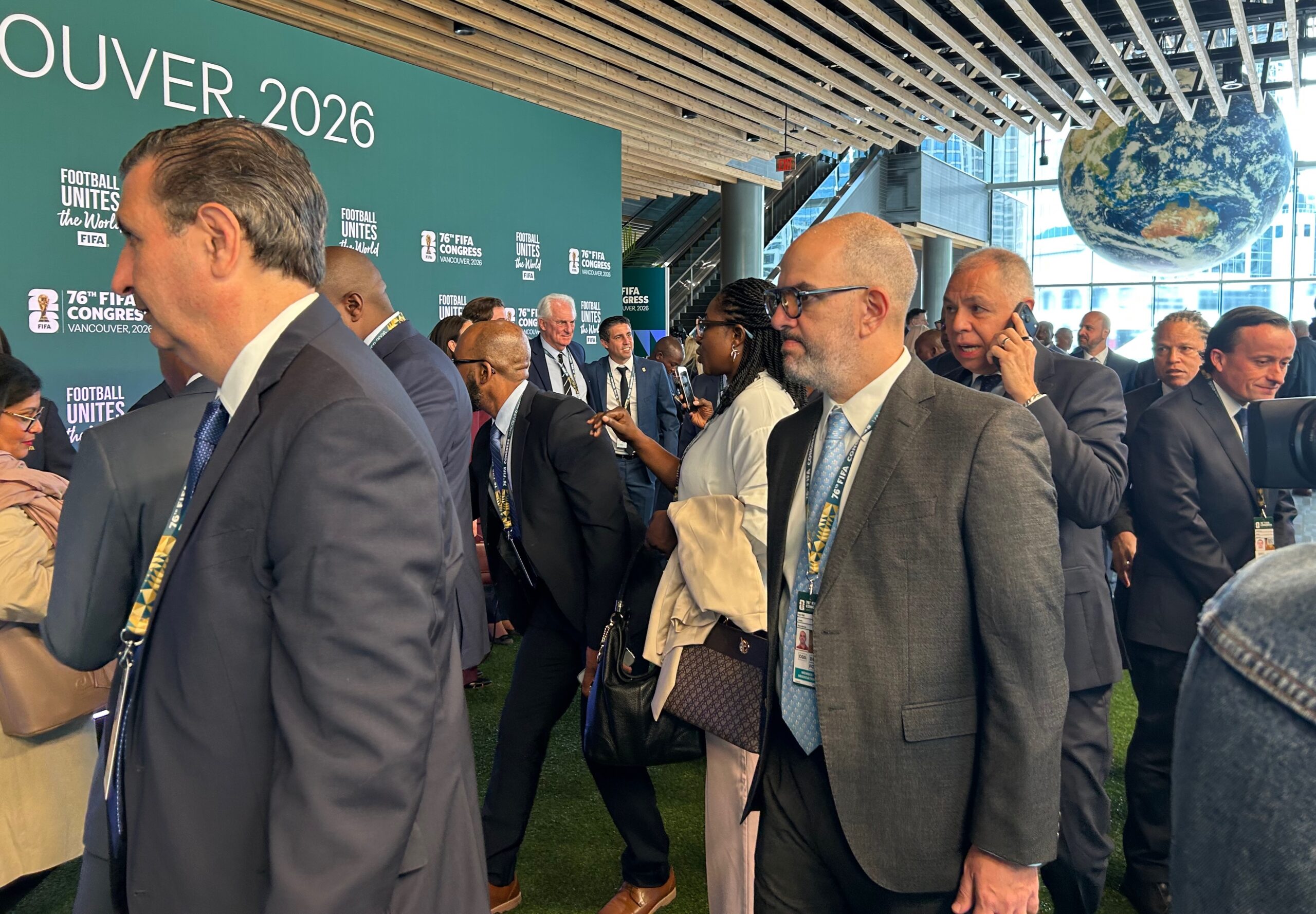
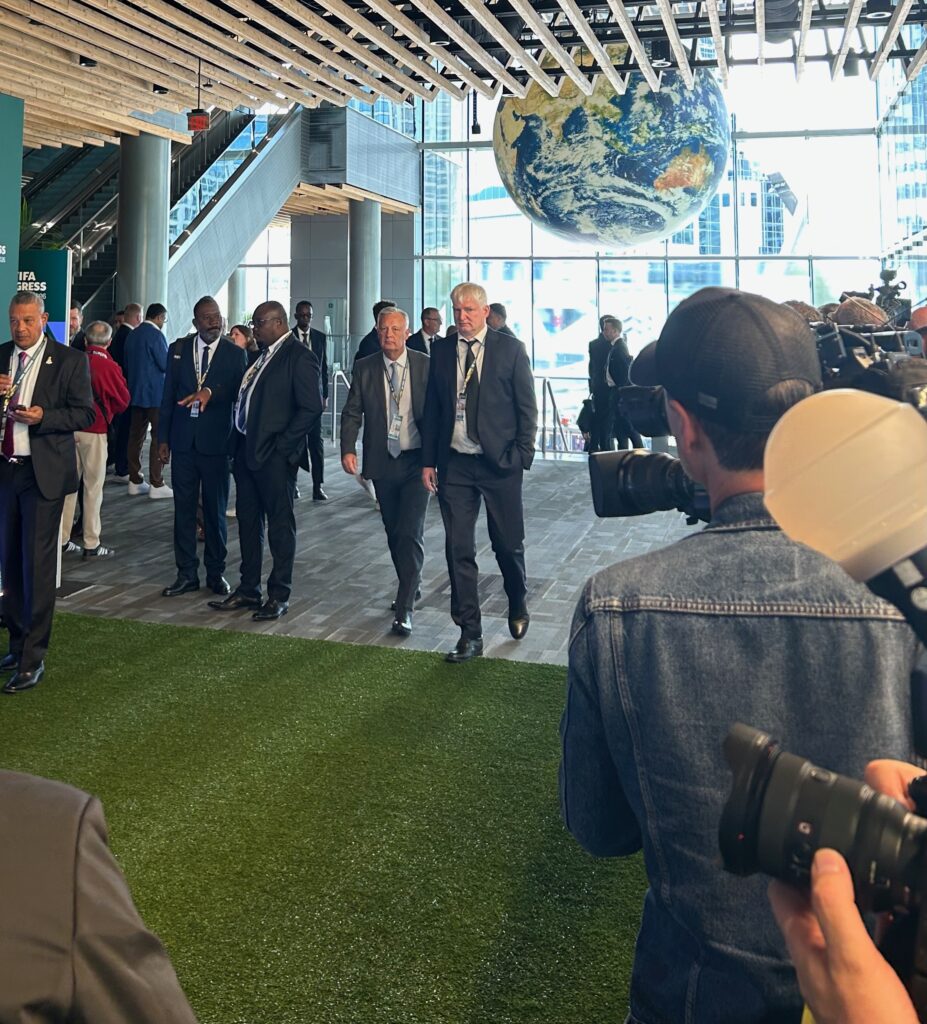
While delegates gathered in a large, beautifully designed hall—networking, taking selfies, and enjoying high-end catering—the media remained largely separated. The atmosphere for delegates was open and social. For journalists, it was structured and, at times, restrictive.
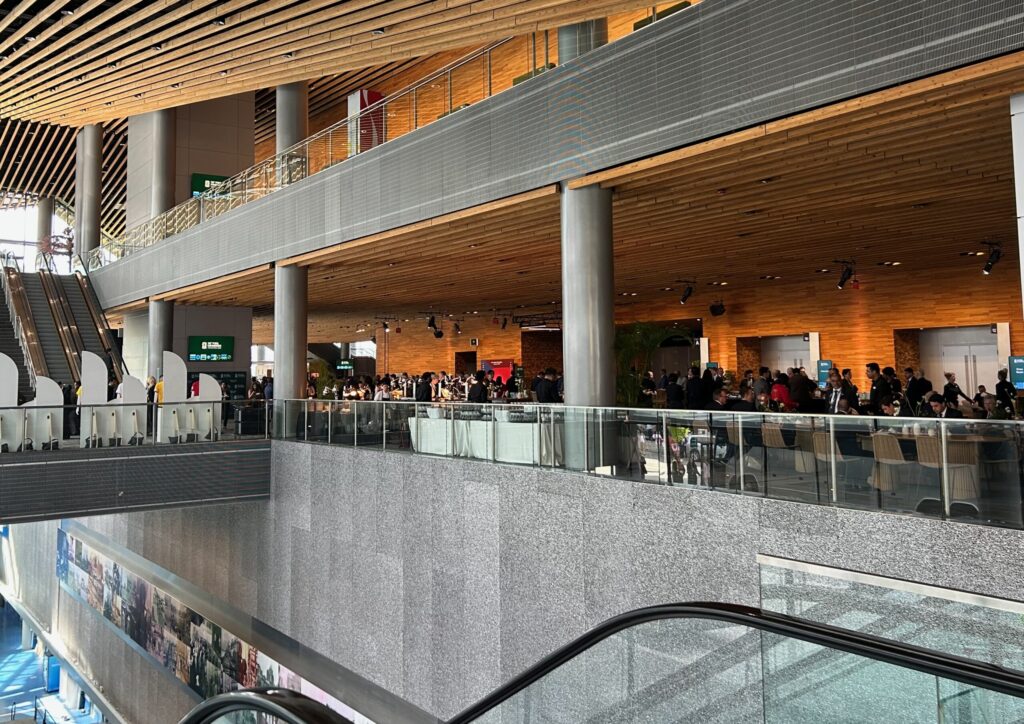
Access, or the Appearance of It?
FIFA demonstrated it can organize a world-class event—but also how easily access can be controlled within it.
Maybe it is just me.
But the more often I attend media events, the more I begin to notice a pattern: organizers ultimately decide whether they truly want publicity, promotion, and meaningful public relations—or whether media presence is simply a box to check, a pro forma exercise carried out while carefully controlling the narrative.
On paper, access exists. In practice, it can feel like an illusion.
I was genuinely grateful to be there. Opportunities like this matter, especially for independent media. At the same time, the experience left me thinking about those trying to make a living in this field—journalists who invest time, travel, and resources with the expectation of access, only to find themselves navigating barriers instead of stories.
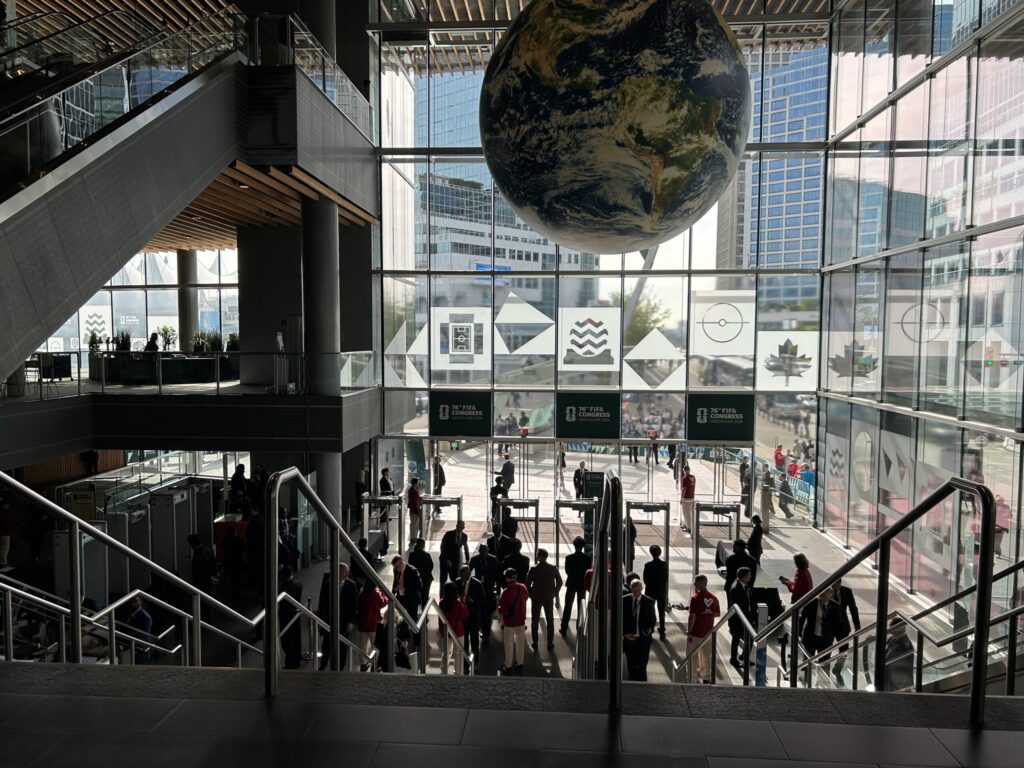
Why Transparency Matters
I am new to the world of FIFA and high-stakes sports media, but I recognize when the “light of truth” is being dimmed. This was, in many ways, a well-organized event—but one that highlighted how access can be carefully structured and limited.
When we talk about protecting press freedom, we are not just talking about the right to speak. We are talking about the right to be in the room—and to do the job once inside it. As the countdown to the World Cup continues, we must ask: if access is filtered and controlled, how can we truly hold power to account?
Elke Porter is a Vancouver-based blogger and the Senior Editor of Westcoast German News. This article reflects her experience covering the FIFA Congress in Vancouver on April 30, 2026.
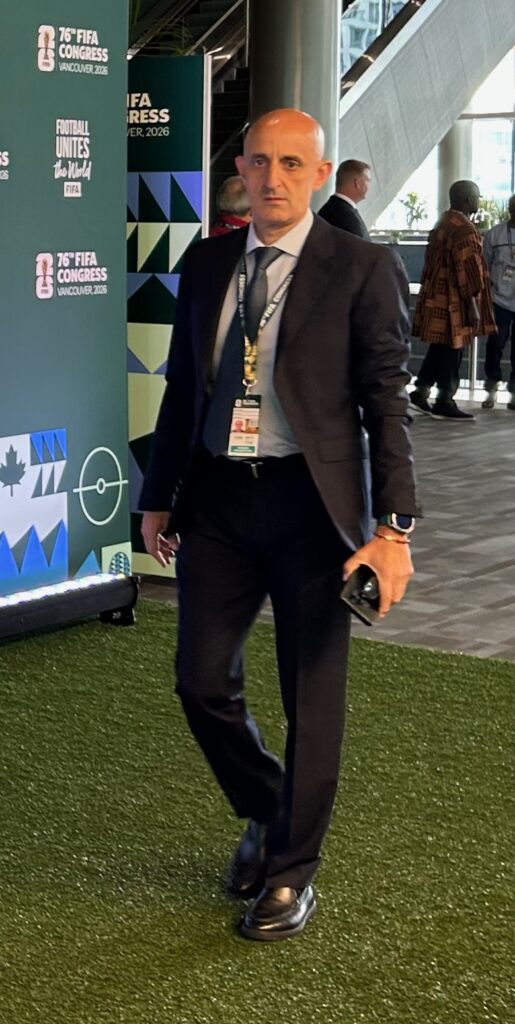
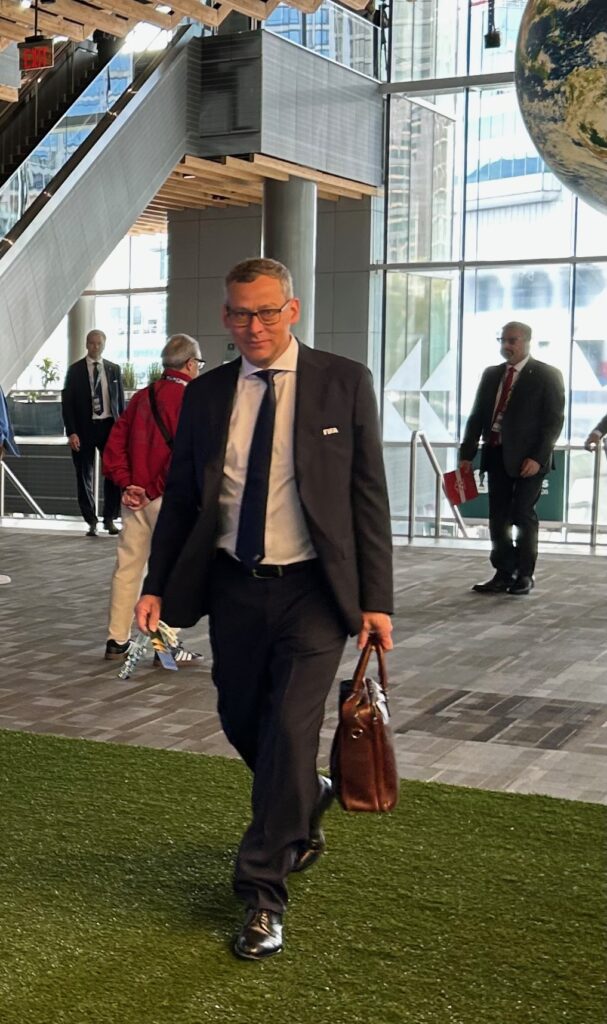
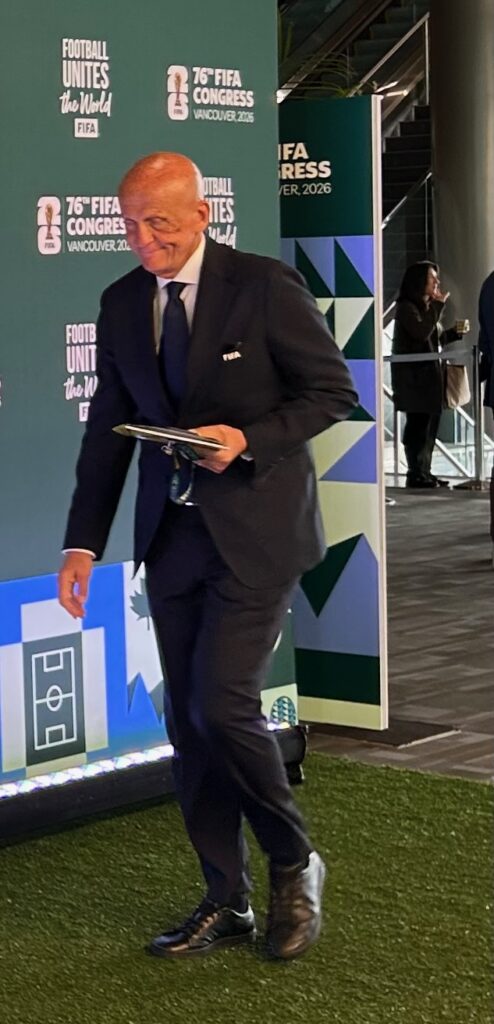
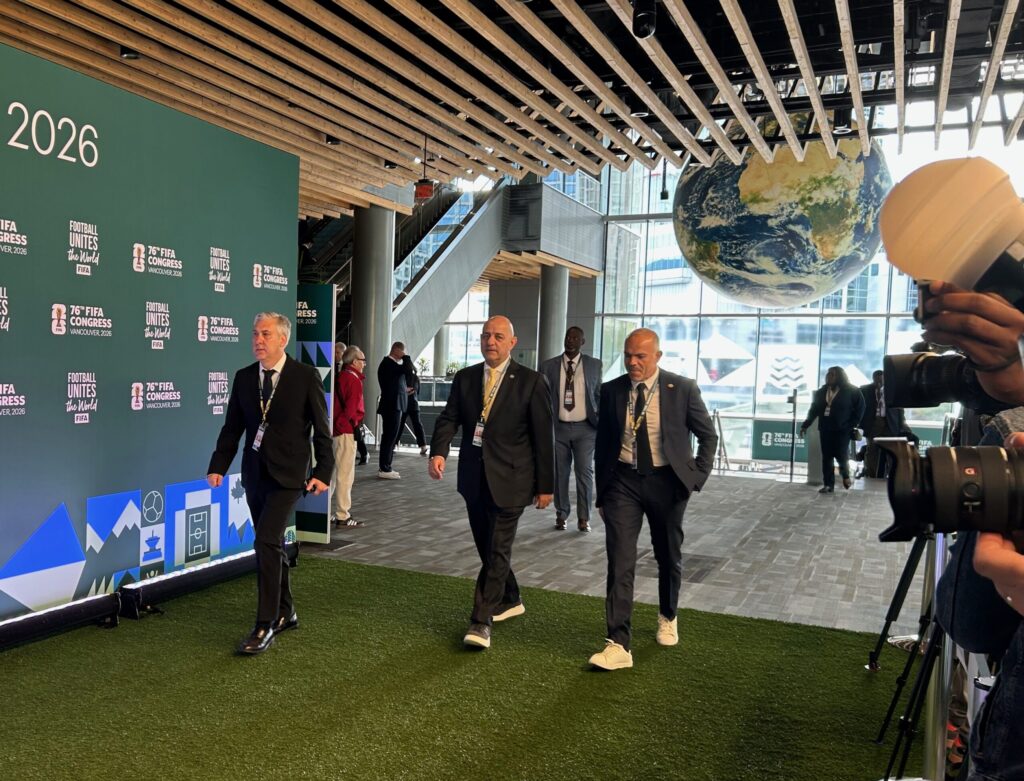
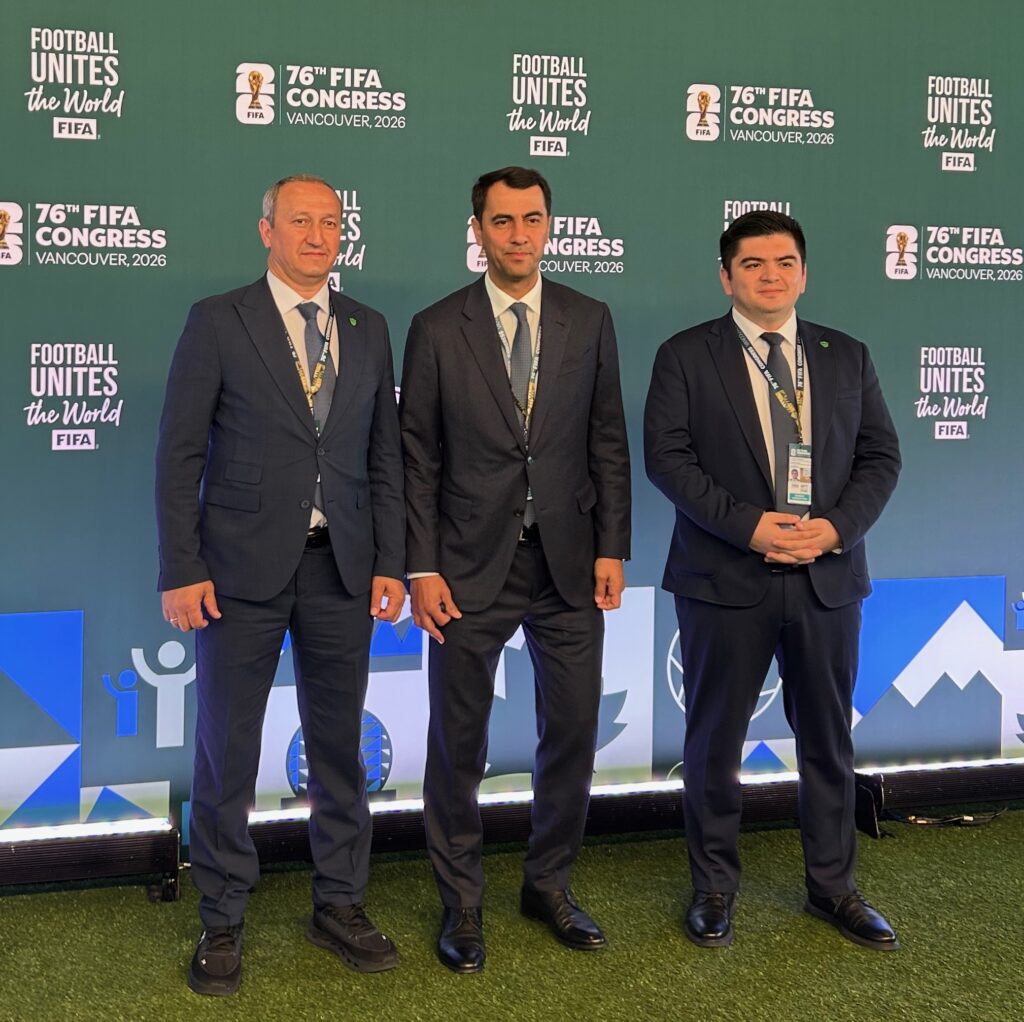
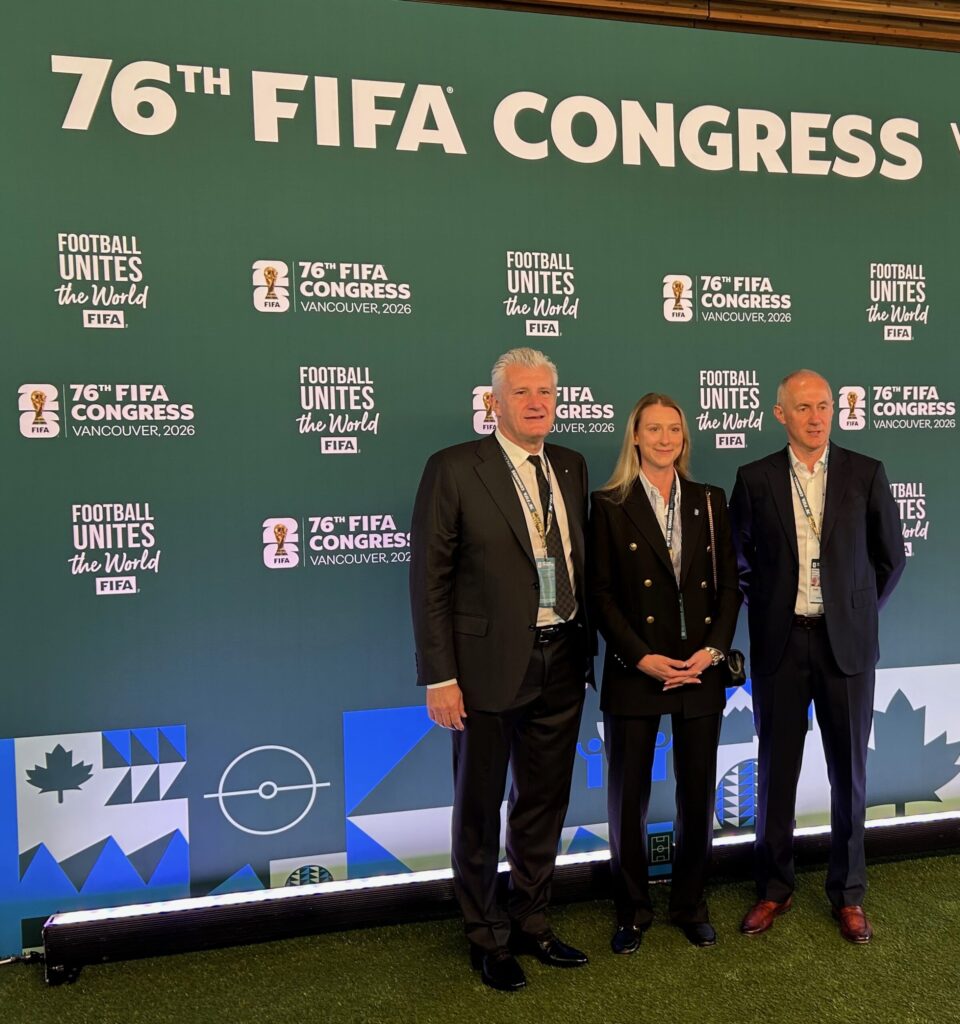
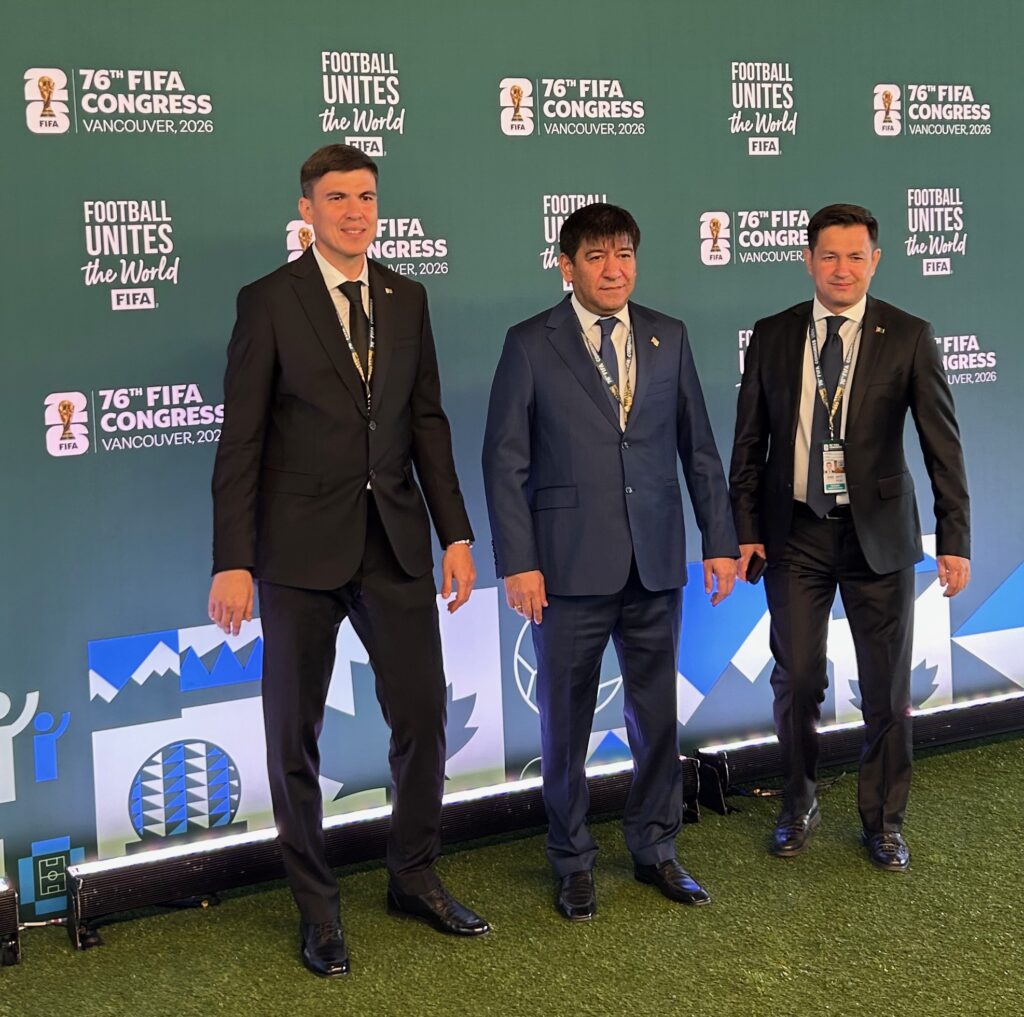
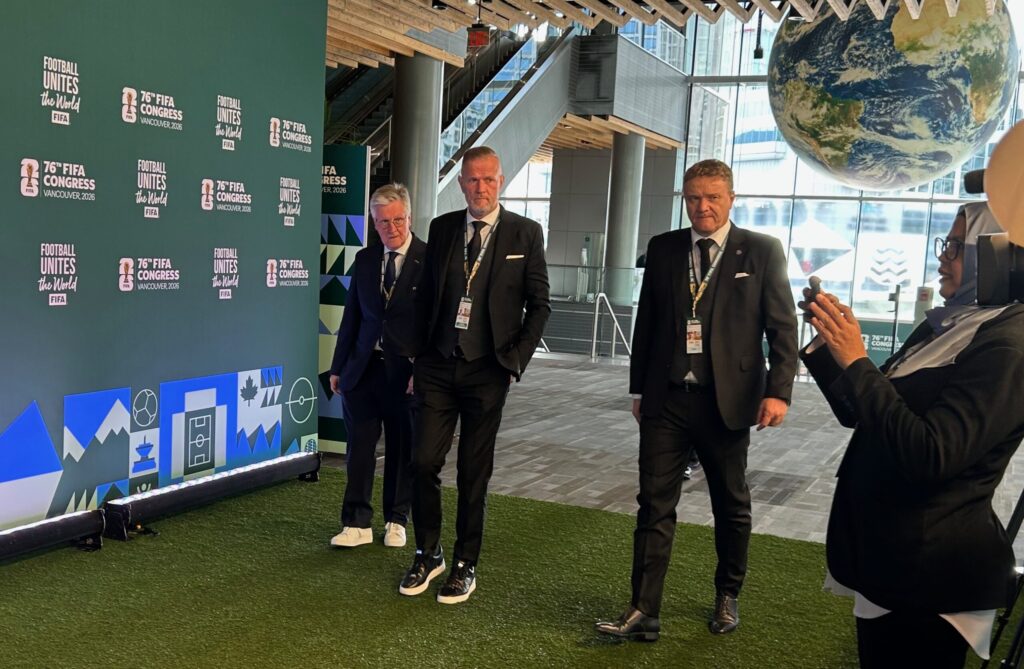
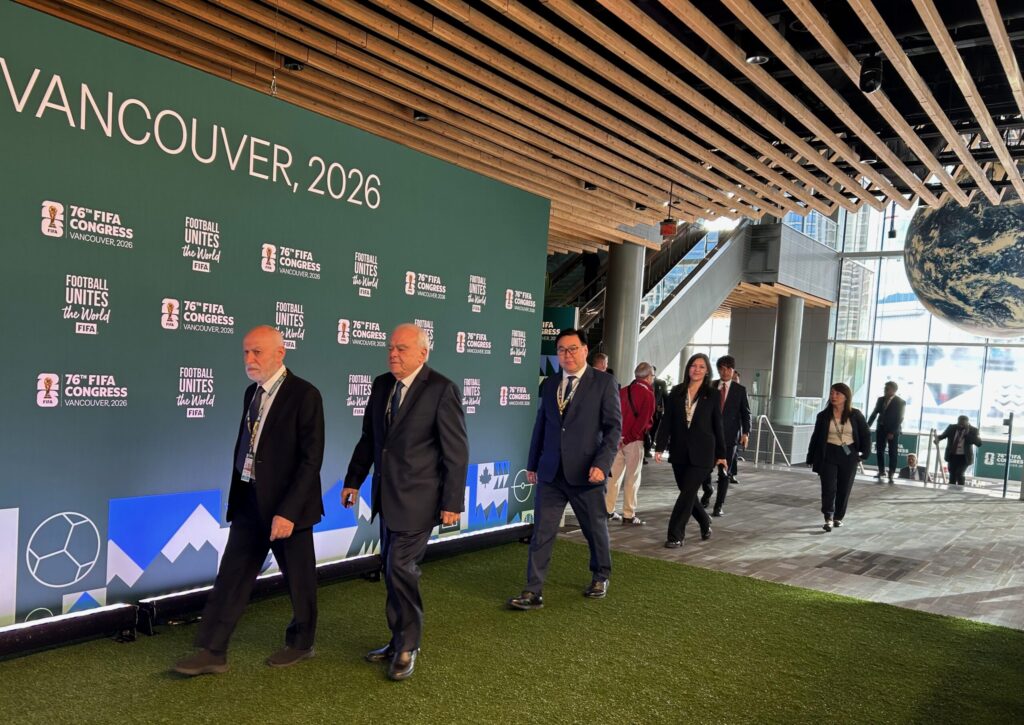
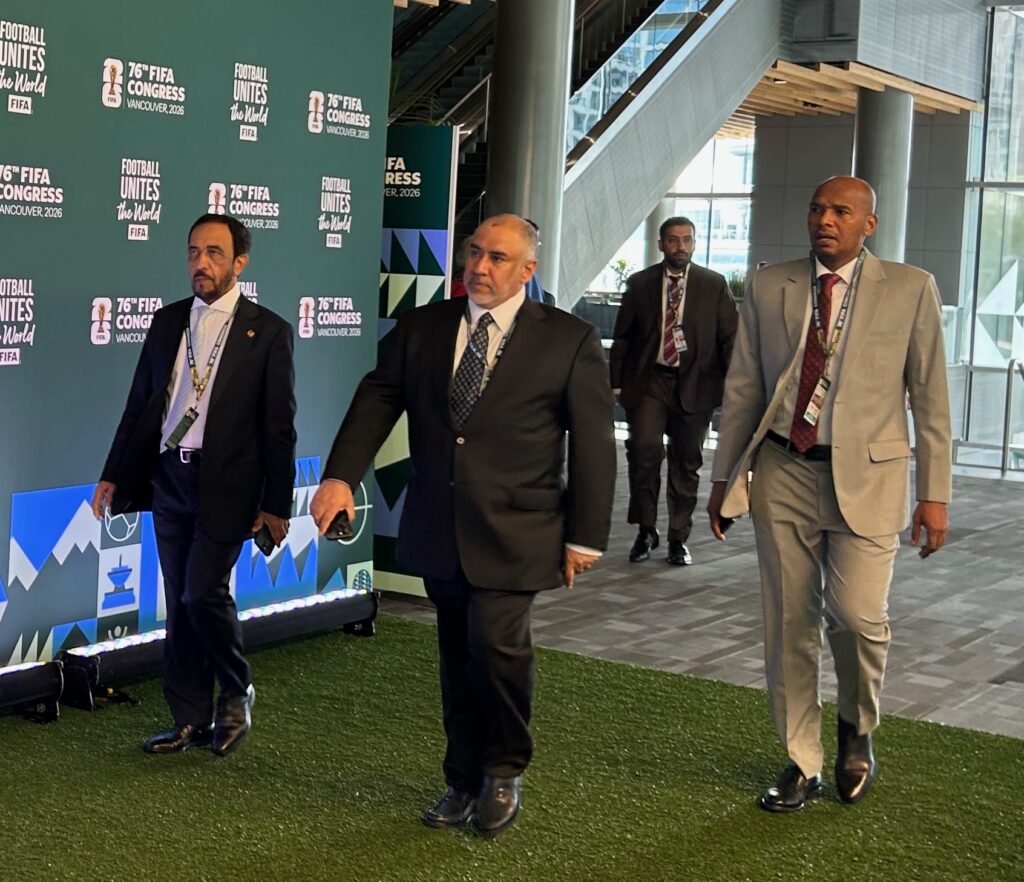
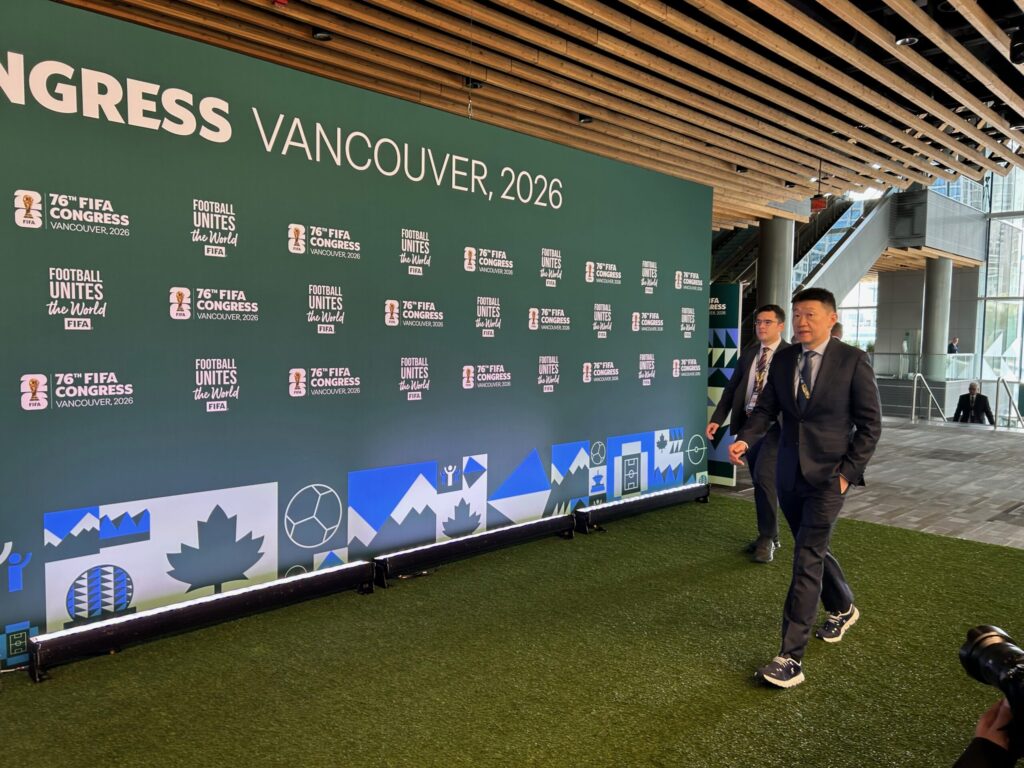
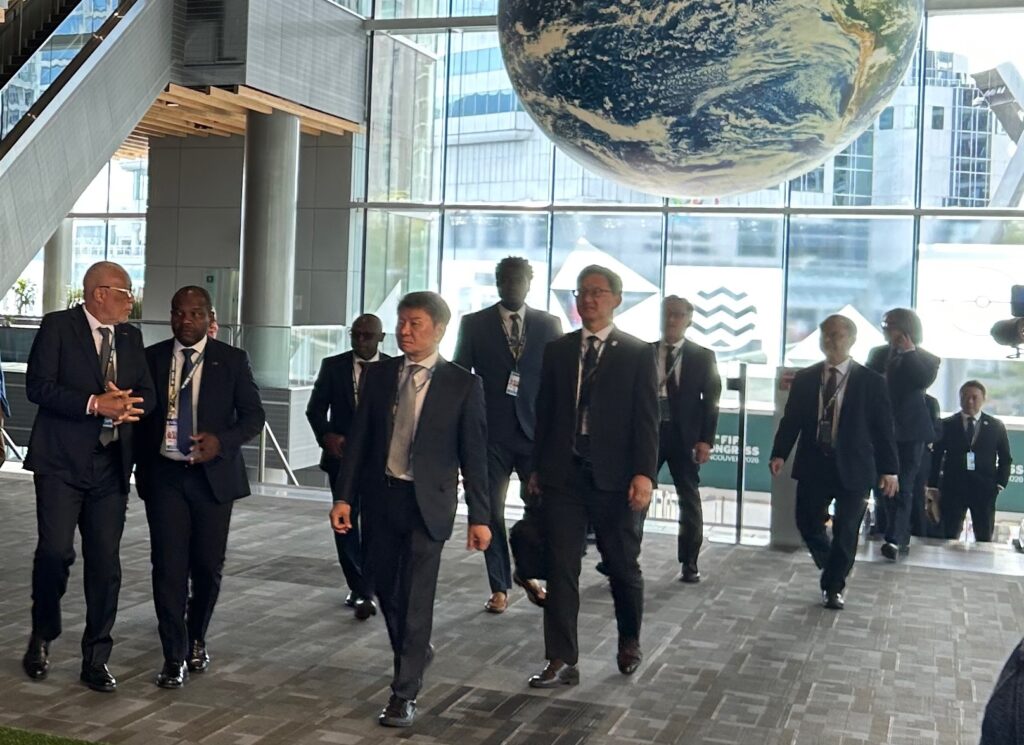
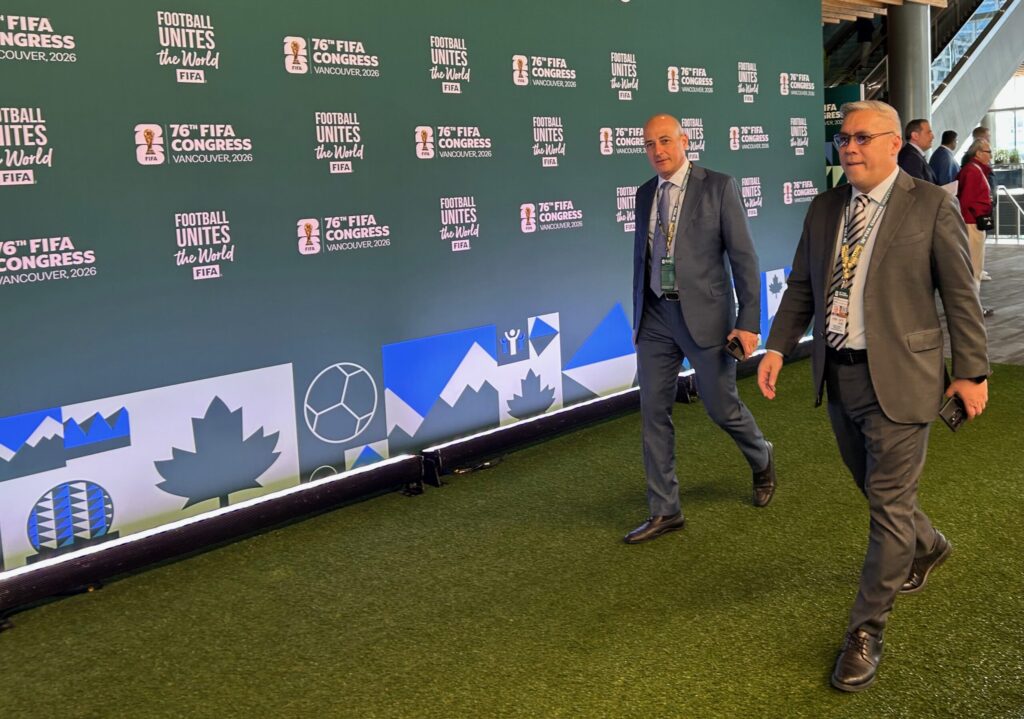
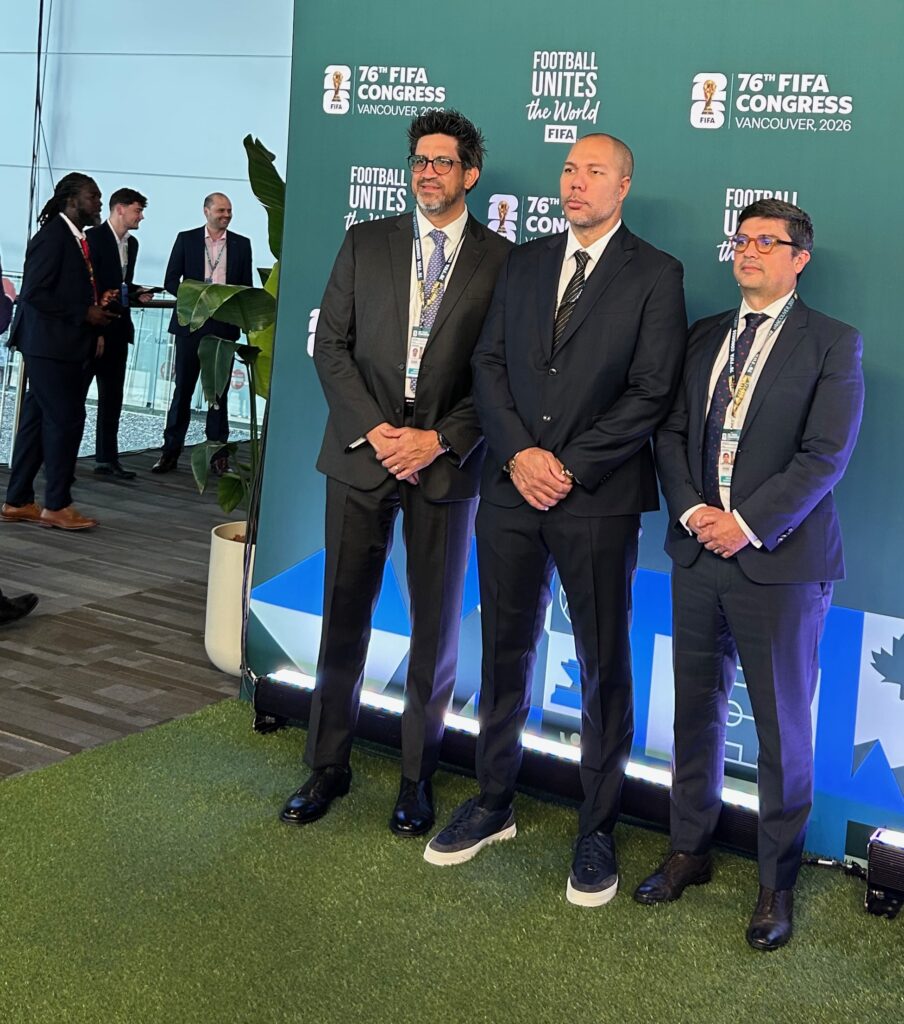
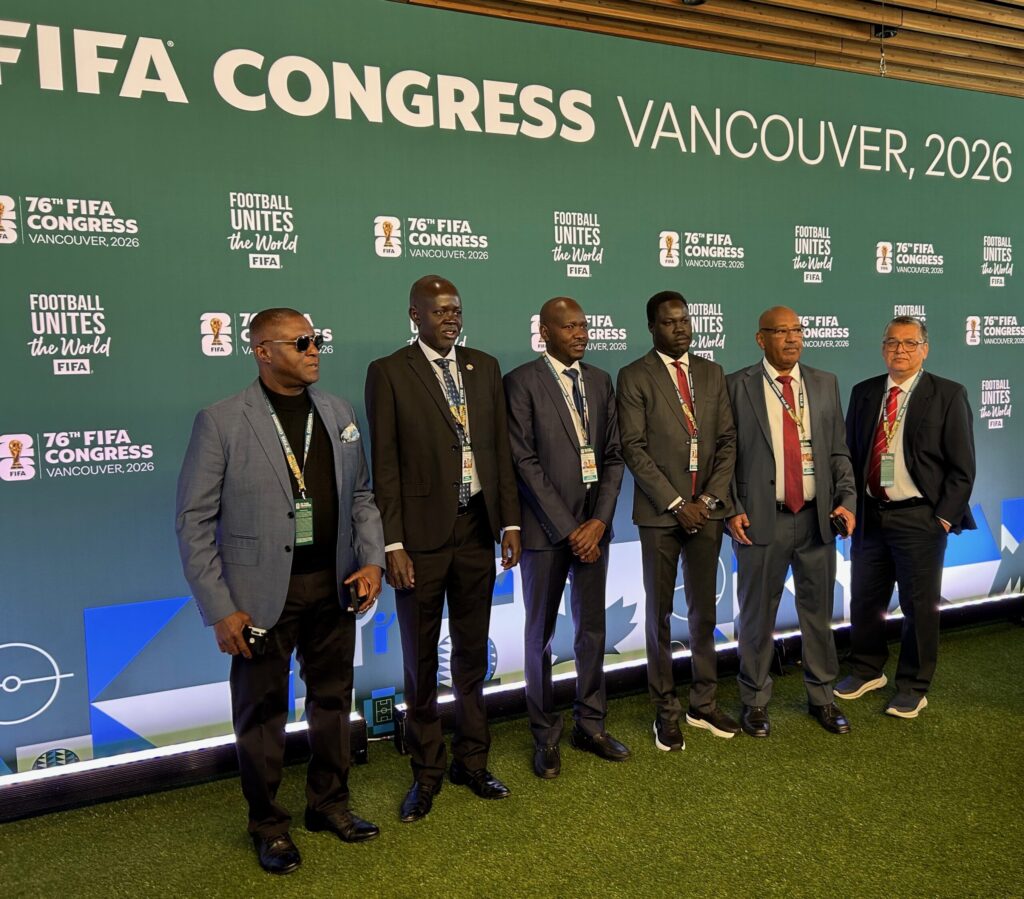
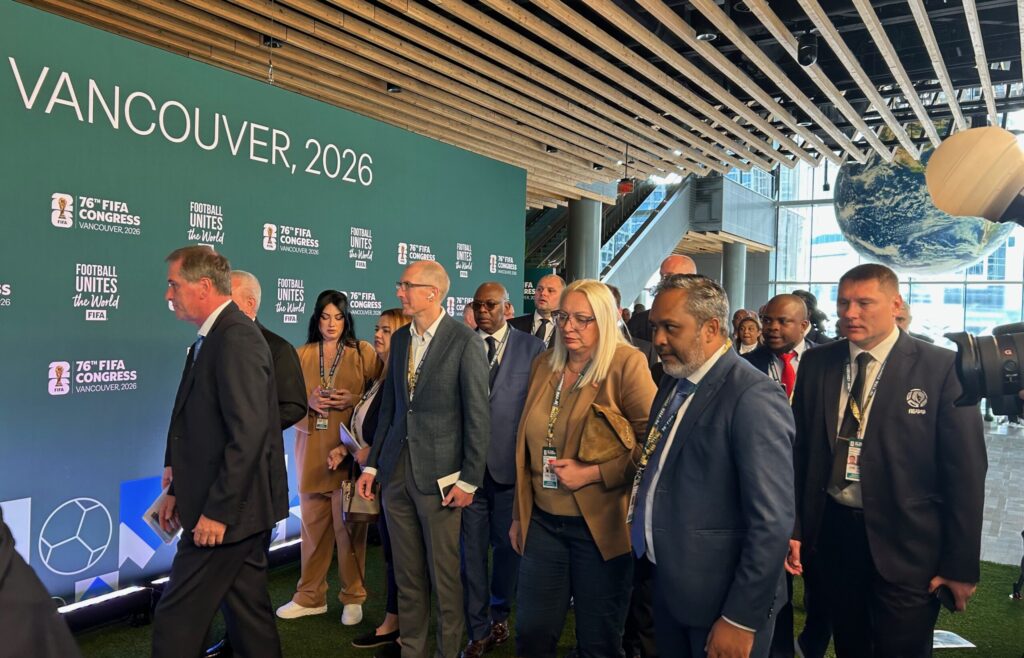
So here is the heart of the matter. I asked everybody – do you know who the delegates for Austria, Germany and Switzerland are? The answer was always “No, I am sorry, but I have no idea.” I asked volunteers, I asked the Security Guards, I asked fellow journalists, I asked organizers. So my goal was to take pictures of as many people as I could and then find out afterwards who they are.
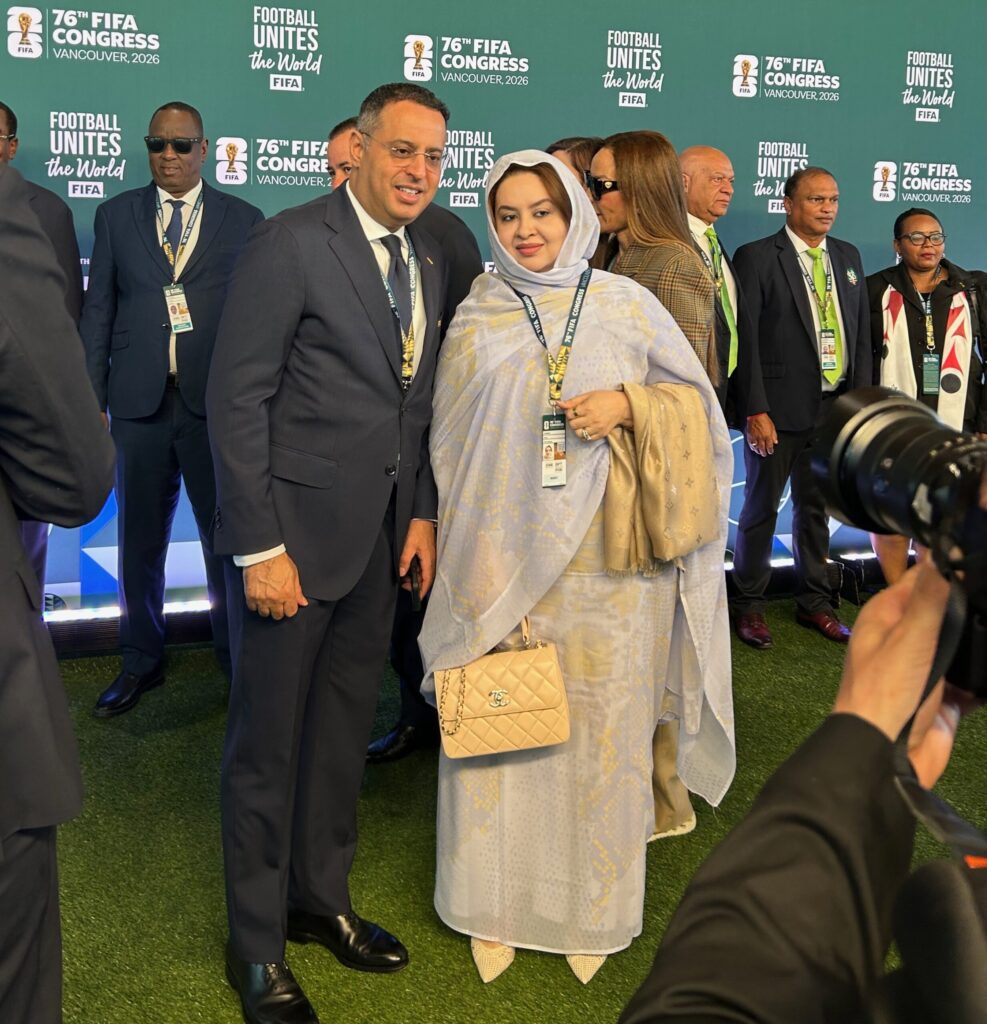
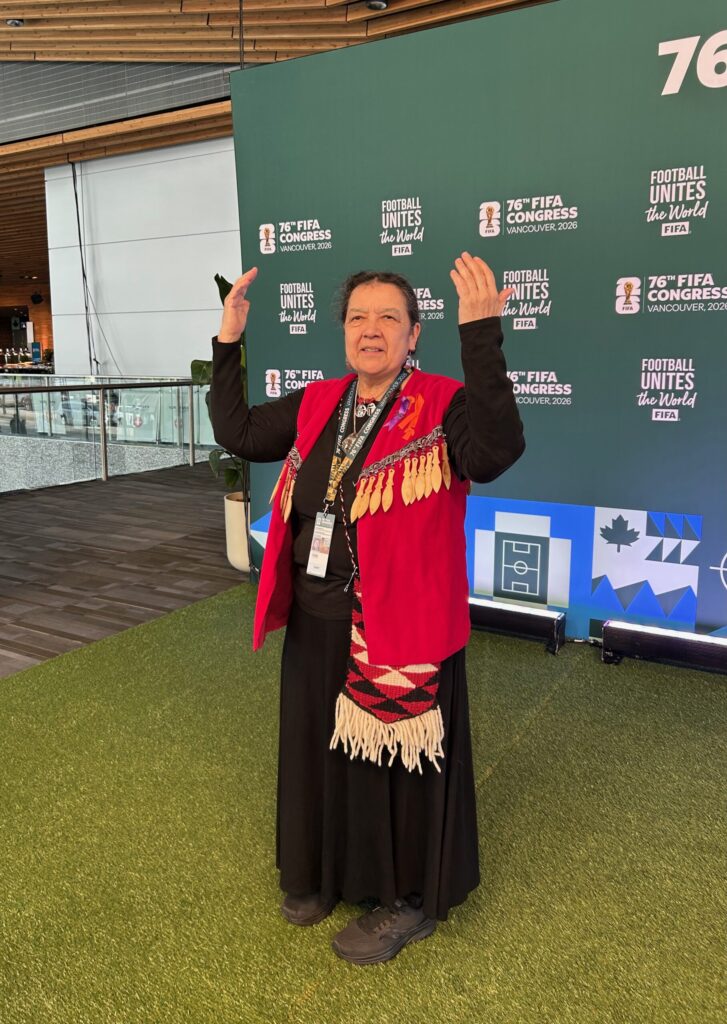
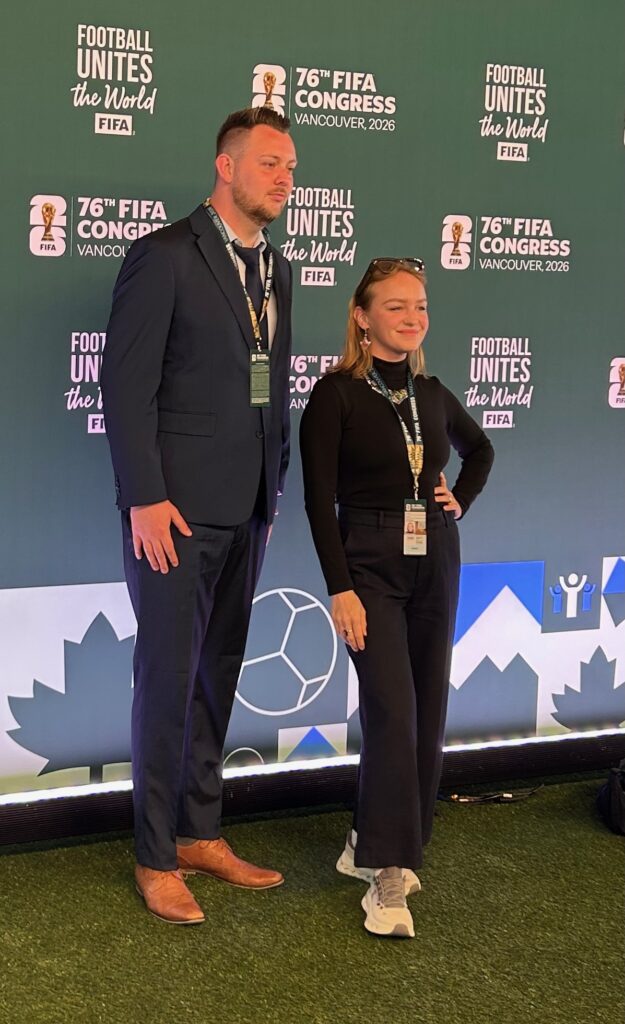
So, of all the people, only the lady from the Musqueam Nation introduced herself to the media while I was there. She is on the right hand-side.
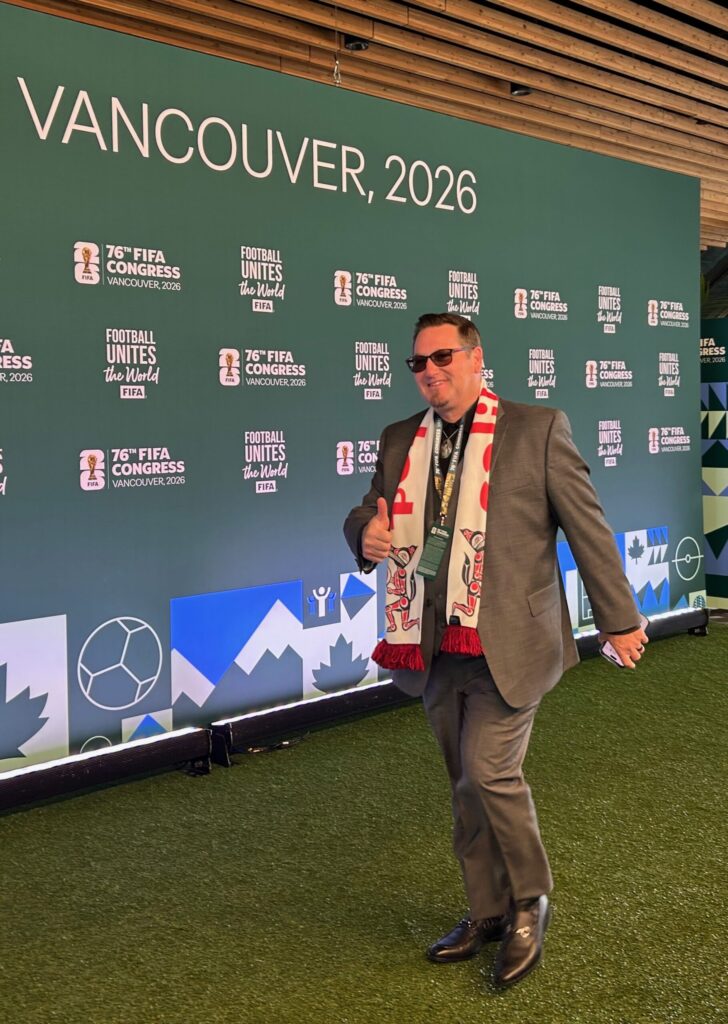
I will end this with a quote by President Giovanni Infantino: ““It is my responsibility; it is our responsibility. Football unites the world. FIFA unites the world. You unite the world. We unite the world. And we have to remember, always, that we have to be positive. We have to be smiling; we have to be happy. There are enough problems around the world. There are enough people who try to divide all over the world. If nobody tries to unite, what will happen to our world? We have to do it.”
About The Author