
VANCOUVER — It started quietly. Very quietly. When the referee’s whistle kicked off Wednesday night’s Concacaf Champions Cup second leg between the Vancouver Whitecaps FC and Costa Rica’s Club Sport Cartaginés at BC Place, only a handful of fans dotted the lower bowl. The cavernous stadium felt almost surreal for a continental knockout tie — more library than football ground.
Then the goals came. And so did the crowd.
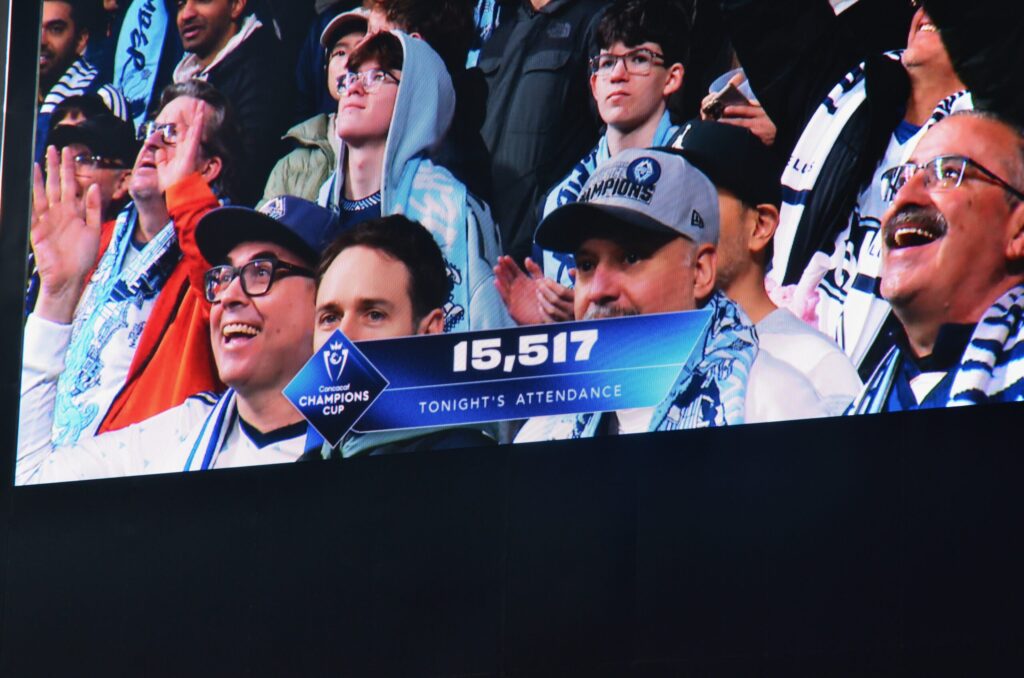
By the time the first half hit full stride, fans streamed through the gates in waves, filling seats section by section as word spread across the Lower Mainland that something special was unfolding downtown. By the final whistle, all 15,517 supporters were on their feet in full voice — and they had earned every decibel. The Whitecaps were dominant, BC Place was electric, and Vancouver’s continental adventure was very much alive and roaring.
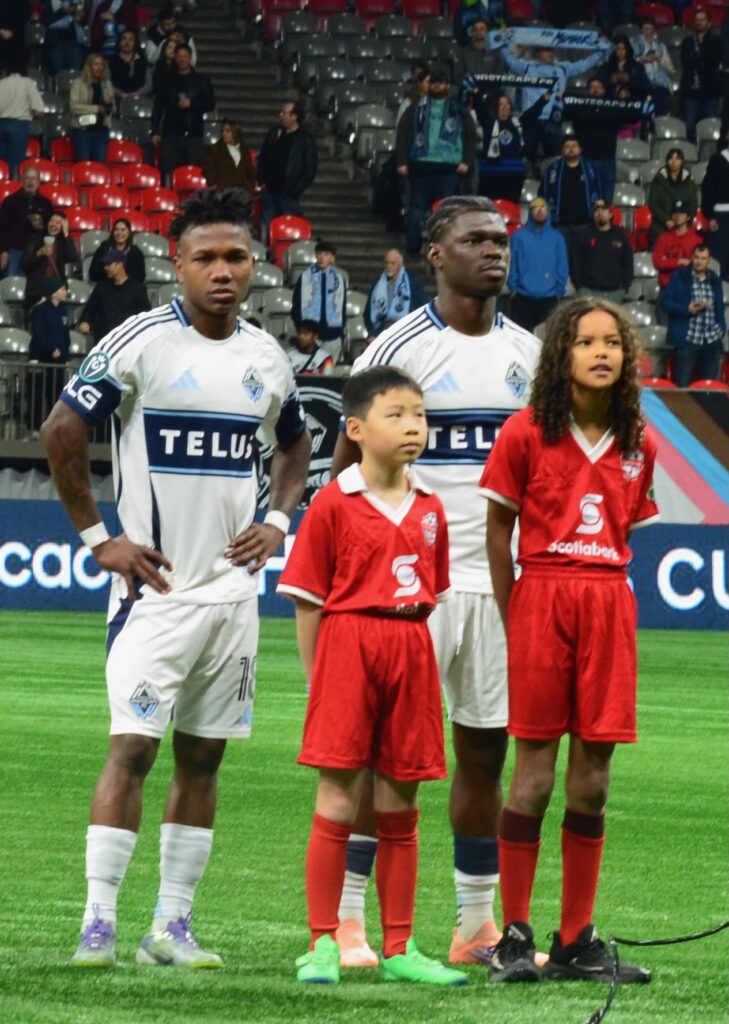
The opening goal came from No. 17, Kenji Cabrera — and it was worth every one of those empty seats that filled in around him during the first half. The 22-year-old Peruvian international, born in Shiga, Japan to a Peruvian father and Japanese mother, has blossomed into one of the most exciting young forwards in MLS. Cabrera joined Vancouver last July via transfer from Peruvian side FBC Melgar as a U22 Initiative signing, scored his first Whitecaps goal in his debut start against Sporting Kansas City last September, and added another in his playoff debut against FC Dallas in October. Wednesday night was simply the next chapter — and the best one yet. Clinical, composed, and completely inevitable.
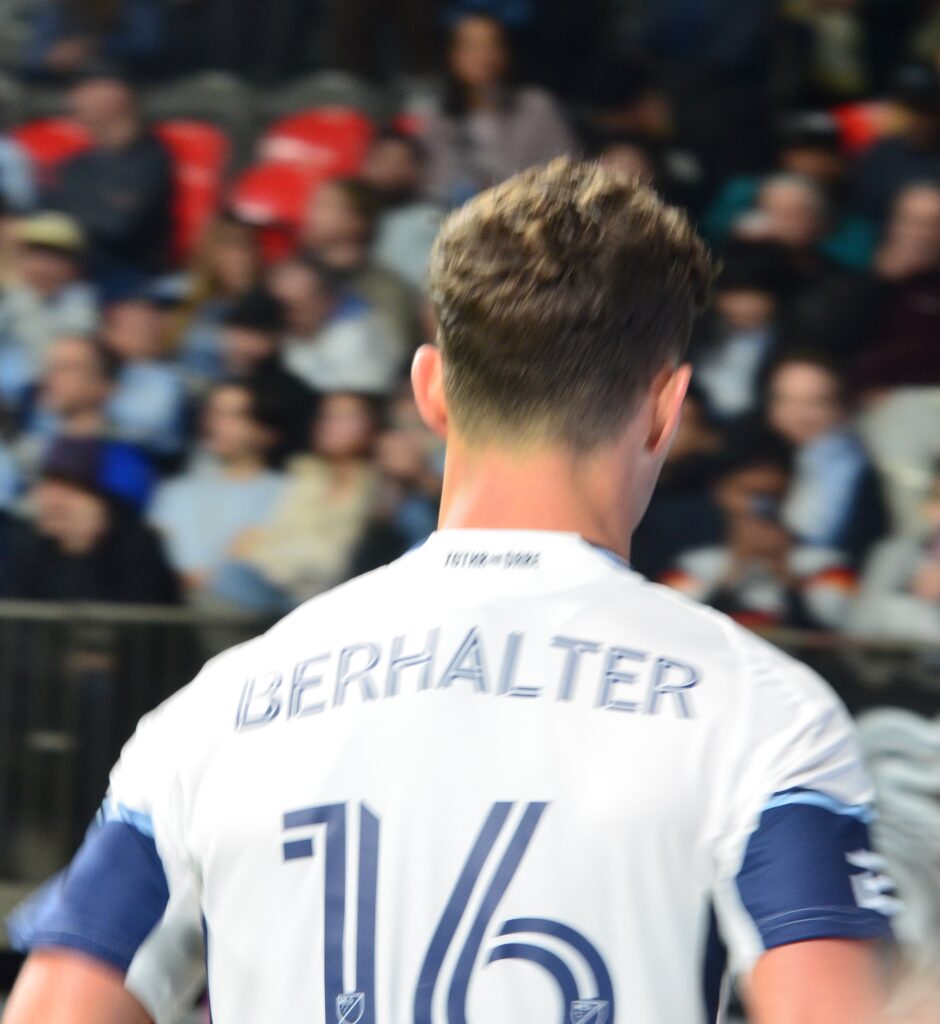
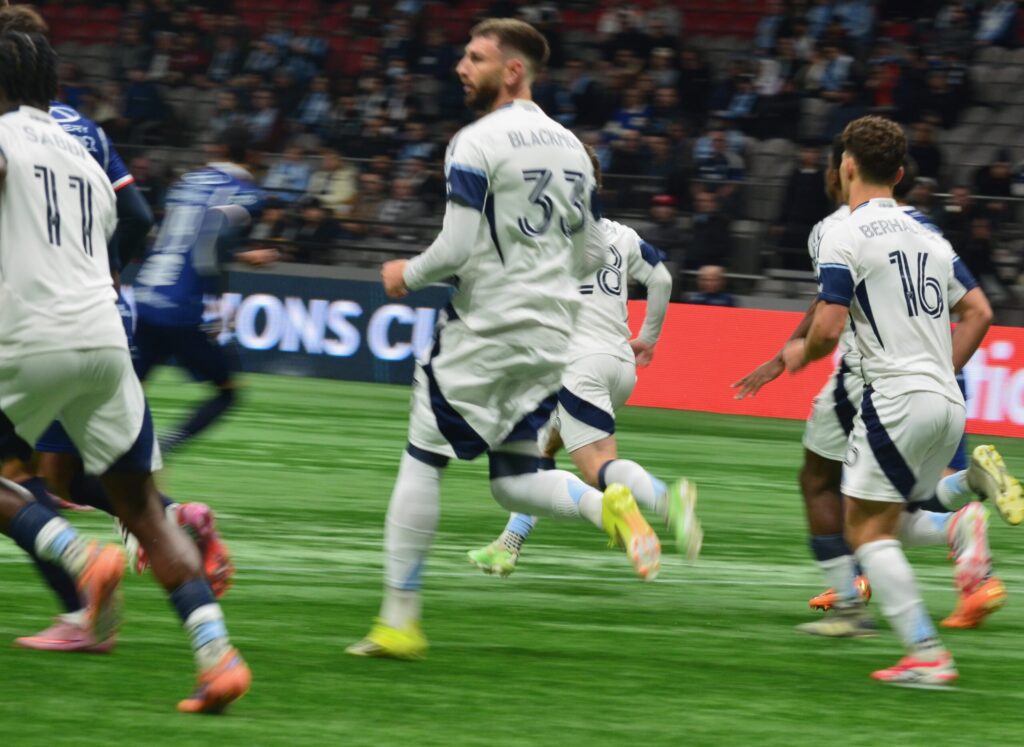
The second goal belonged to No. 16, Sebastian Berhalter, and it brought the house down. The American central midfielder — 2025 MLS All-Star, Best XI selection, United States international, and just days earlier named to the MLS Team of the Matchday after orchestrating Vancouver’s 1-0 season-opening win over Real Salt Lake with a match-high four key passes — drilled home a finish that ended any lingering Costa Rican hope and sent BC Place into delirium. Berhalter is playing the finest football of his career, and Vancouver is reaping every single reward.
On the touchline, head coach Jesper Sørensen paced nervously throughout the match — as coaches do when continental advancement is on the line — but his players executed his vision with calm authority. Sørensen, who won four MLS Team of the Matchday coaching honours last season, has built a team that performs when the pressure is greatest. Wednesday night was no exception.
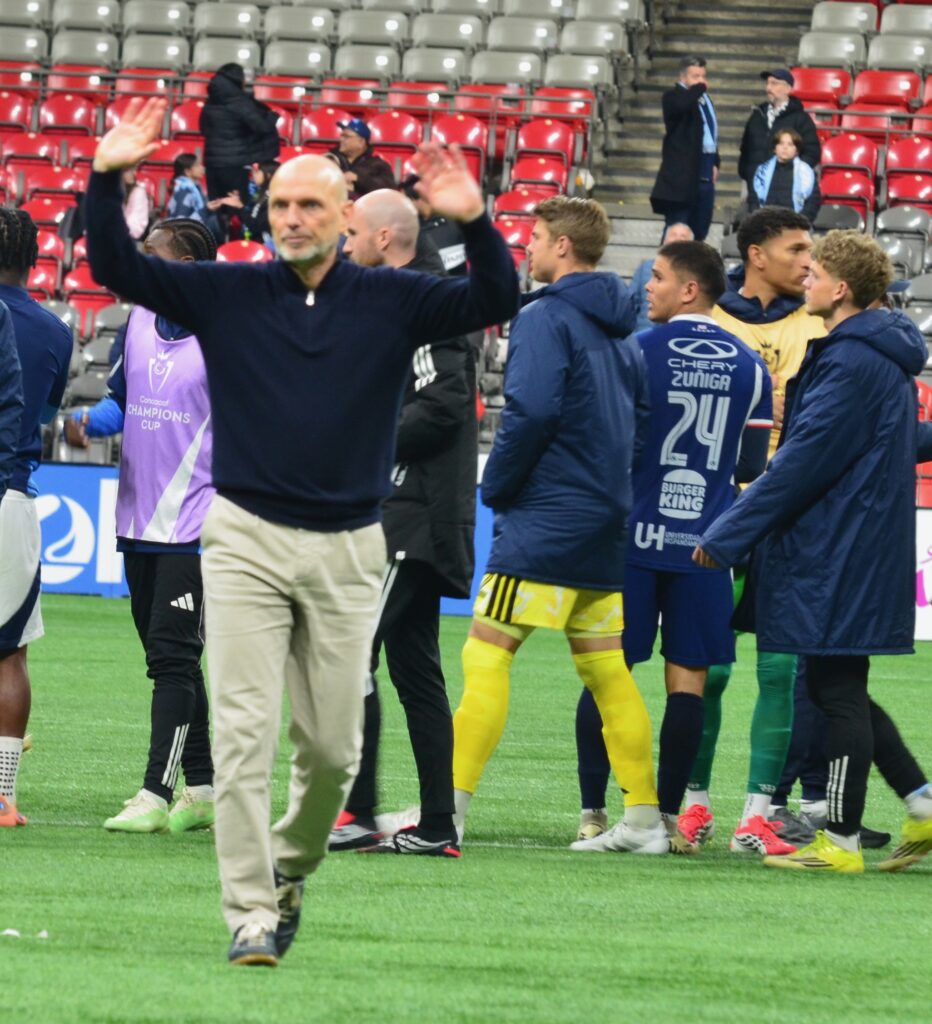
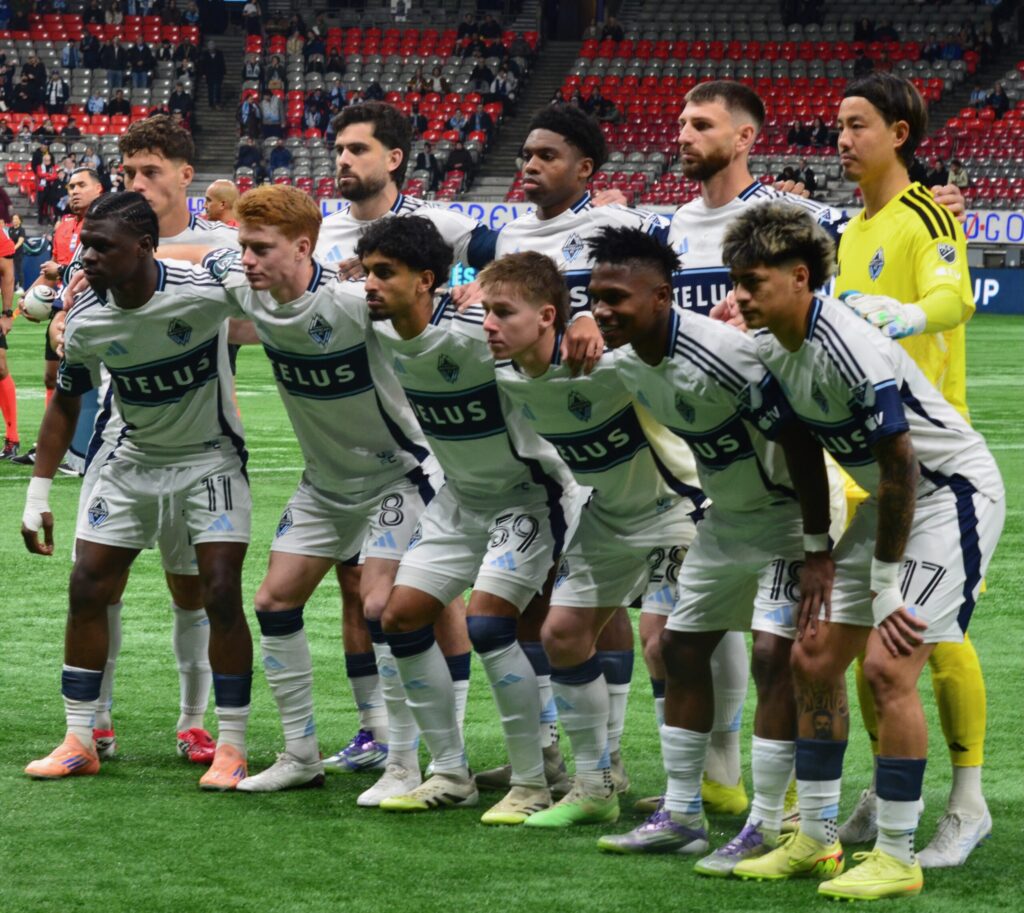
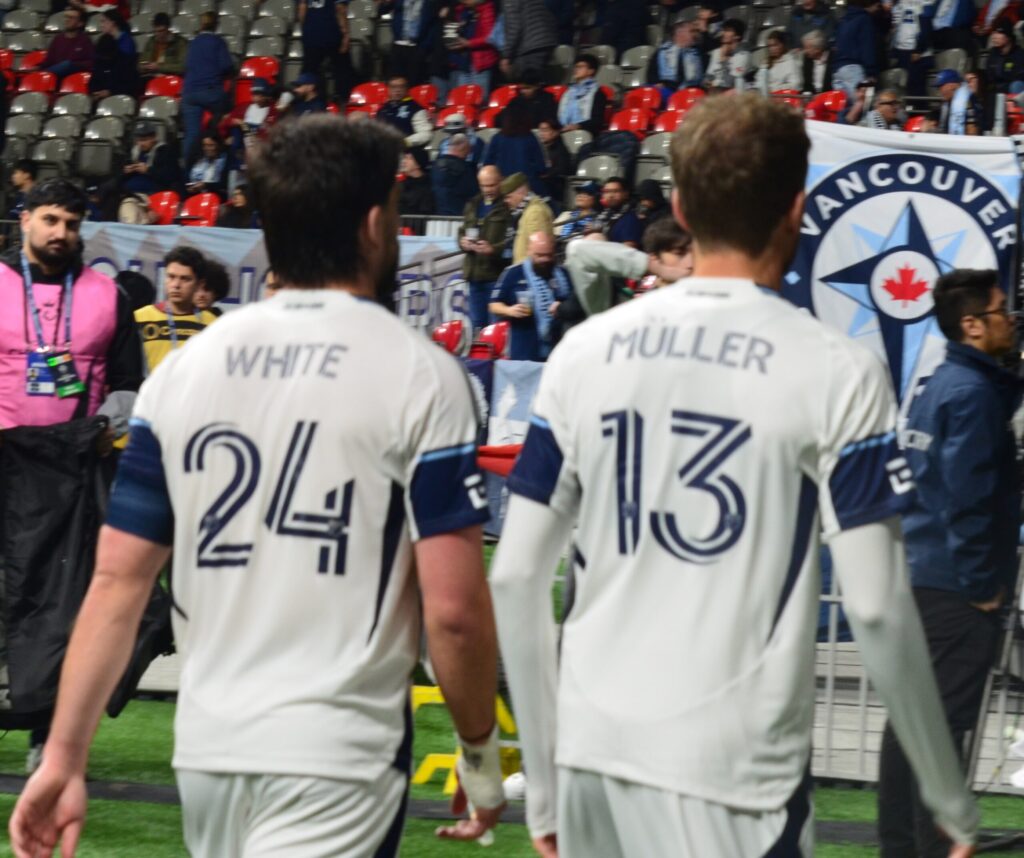
Behind the strikers, the engine room was exceptional. Captain Brian White, No. 24, led by example up front — the American striker pressing relentlessly, holding up play and drawing defenders to create the very spaces that Cabrera and Berhalter exploited so devastatingly. White wore the armband with the quiet authority of a player who has seen and done it all in this league, and his work off the ball was as important as any touch on it.
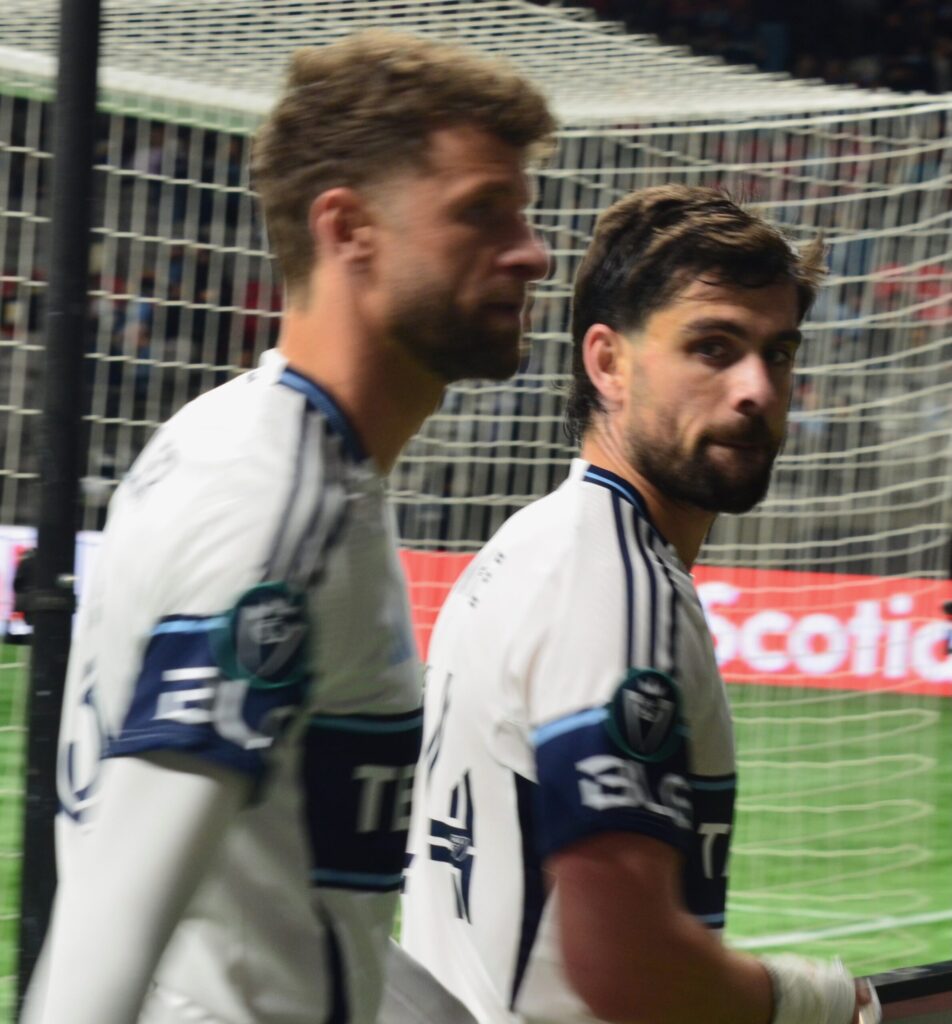
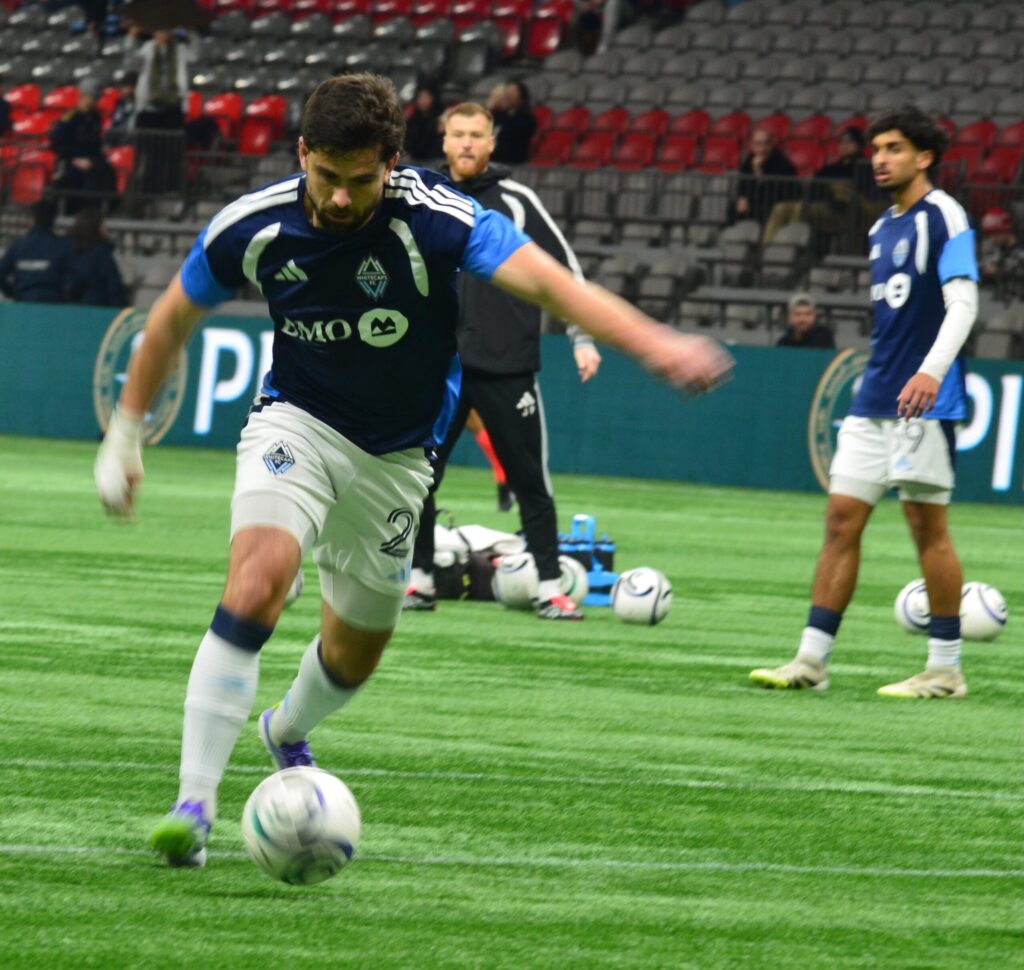
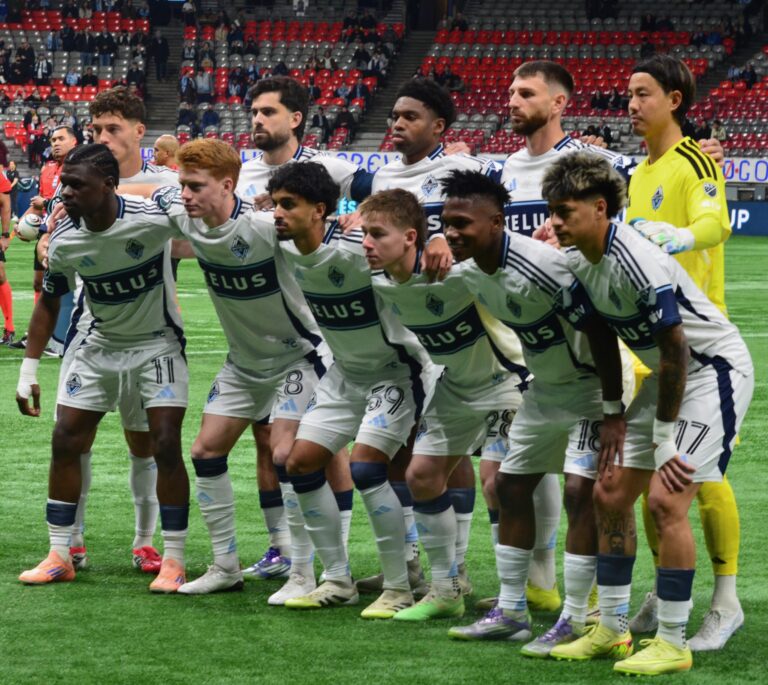
In goal, Japanese international Yohei Takaoka — No. 1 — was commanding and composed throughout, making the clean sheet look routine. Takaoka’s distribution was sharp, his positioning impeccable, and when Cartaginés threatened, he was equal to every challenge.
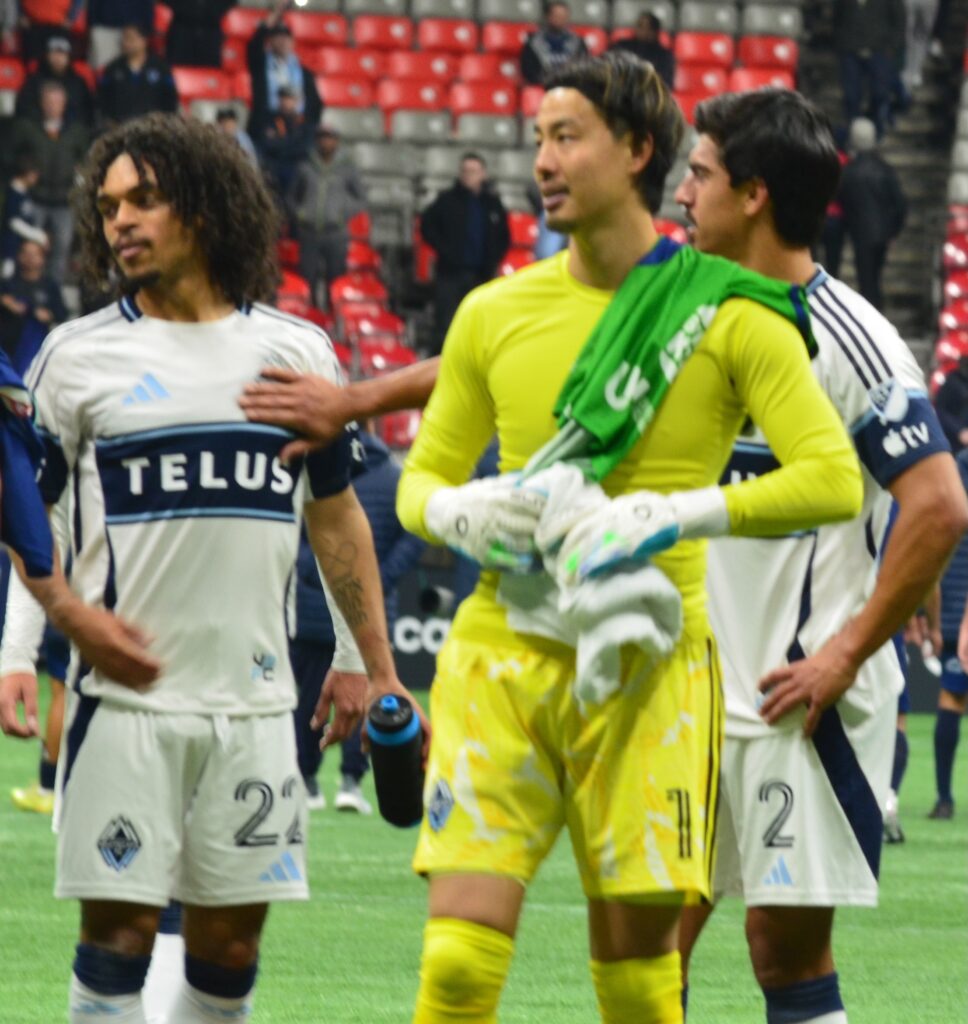
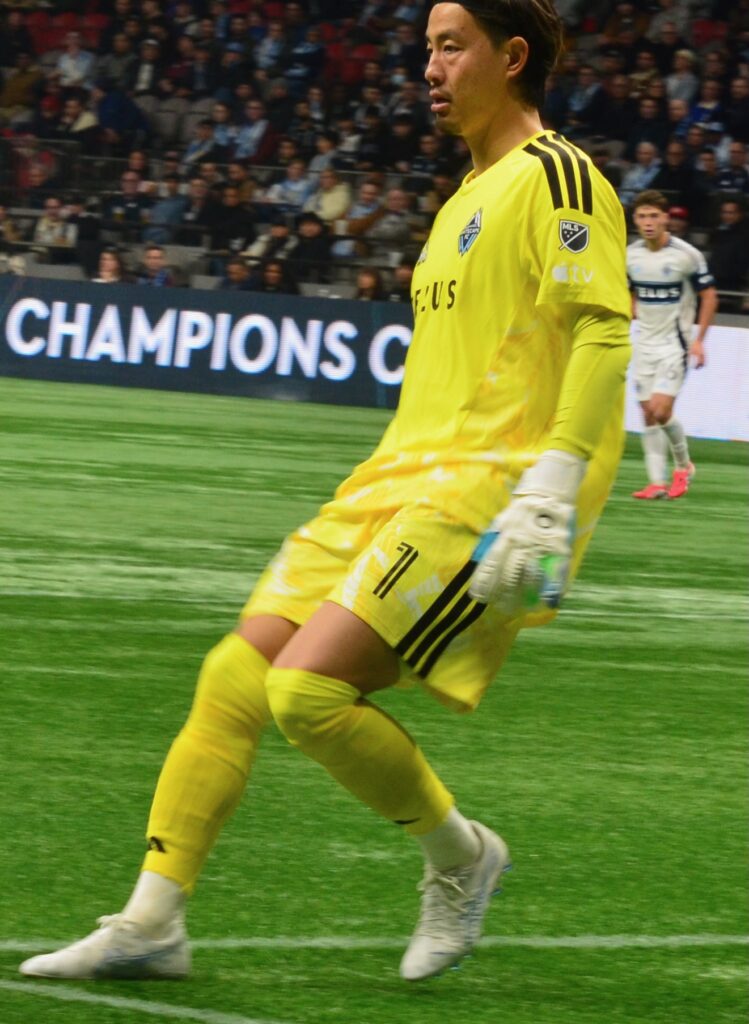
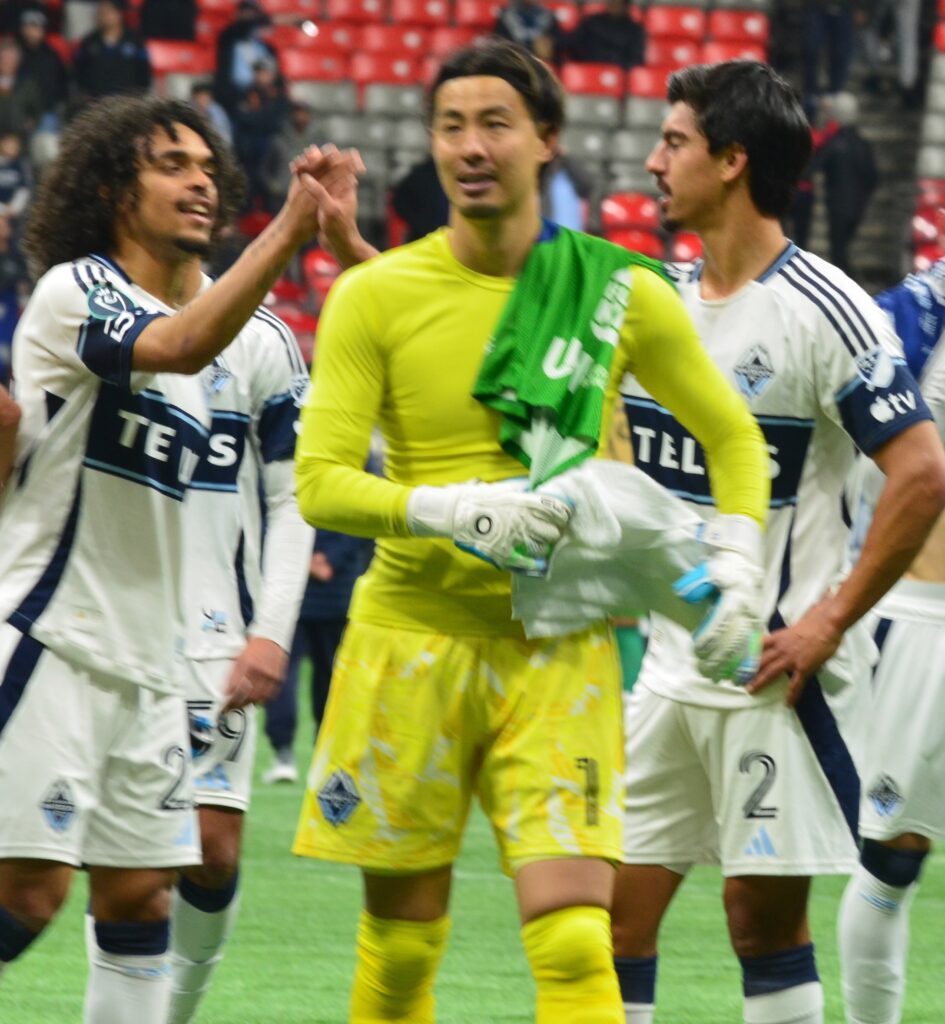
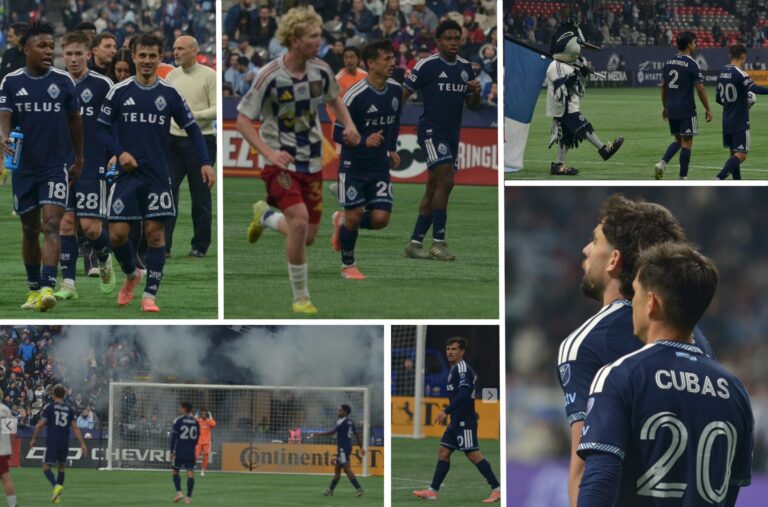
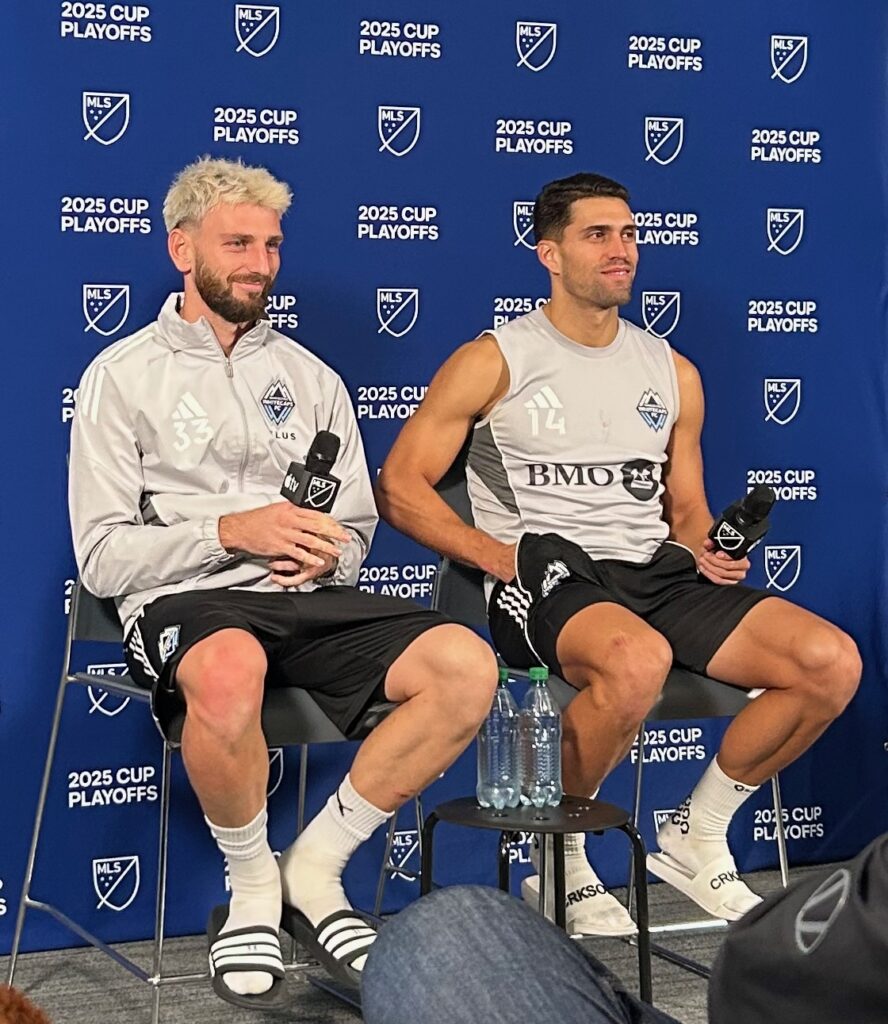
The defensive unit in front of him was equally impressive. Tristan Blackmon, No. 33, marshalled the backline with the assurance of a seasoned continental performer — though sharp-eyed longtime fans may have done a double-take. The defender famous for his striking white-blonde hair arrived Wednesday with a dramatically darker look, nearly unrecognizable until he started winning every aerial duel in sight. Same Tristan. Different hair. Same result: nothing got through.
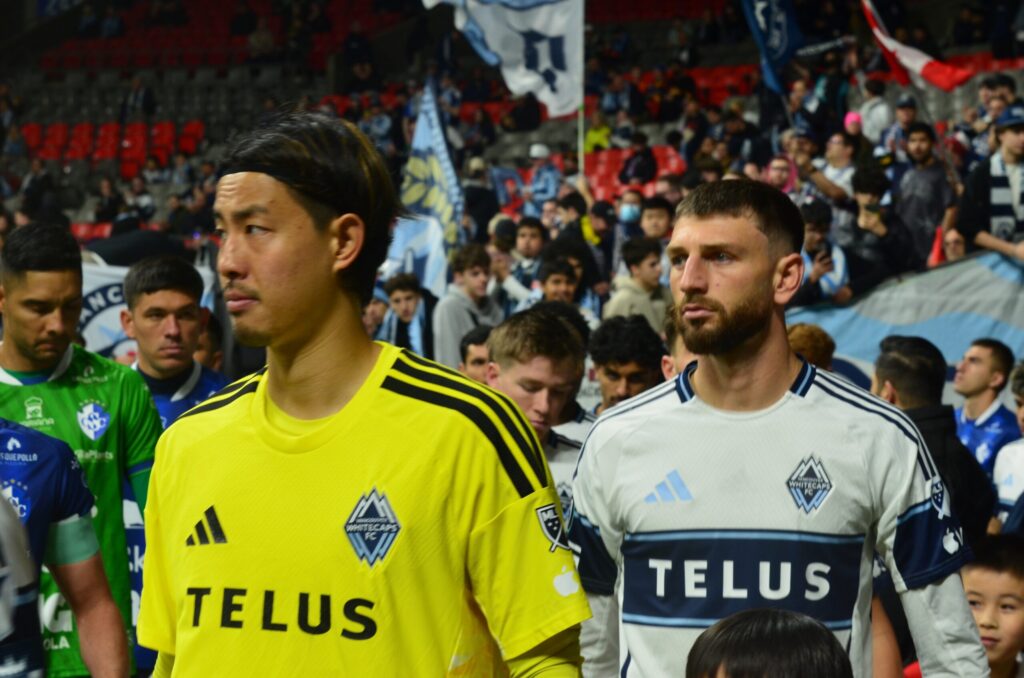
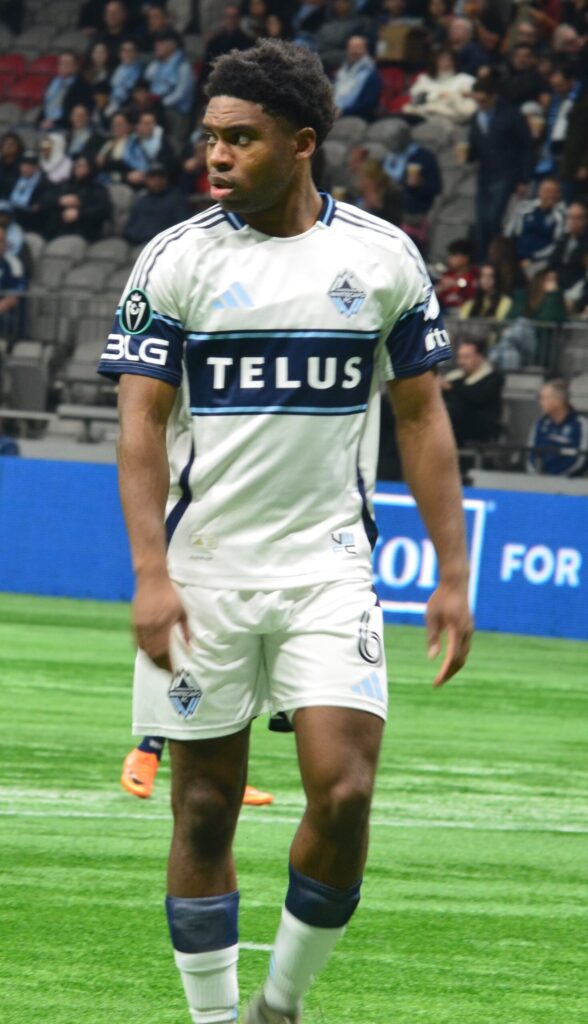
Colombian fullback Édier Ocampo, No. 18, was a menace down the right flank — tenacious defensively and a constant outlet going forward. Ralph Priso, No. 6, brought physicality and presence in his role among the starting eleven, while Tate Johnson, No. 28, gave everything across his shift with the kind of American work ethic that makes coaches smile. Canadian youngster Jeevan Badwal, No. 59, showed composure and quality beyond his years, providing a bright glimpse of the next generation of Whitecaps talent.
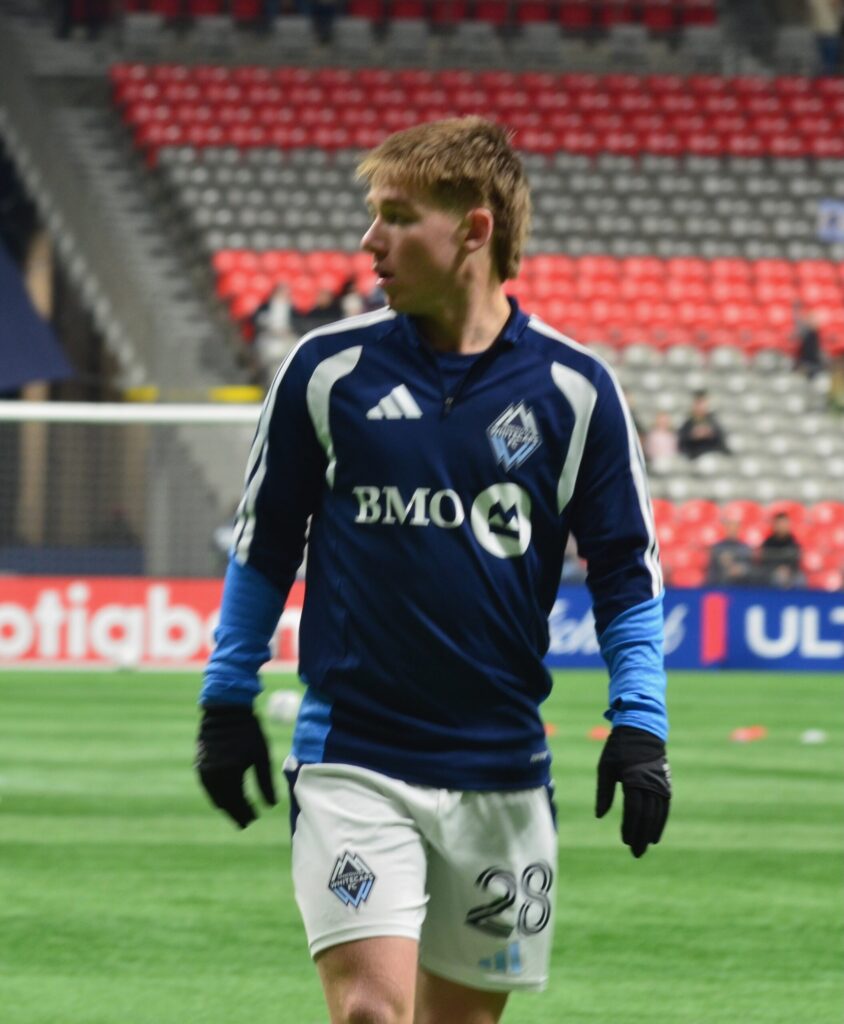
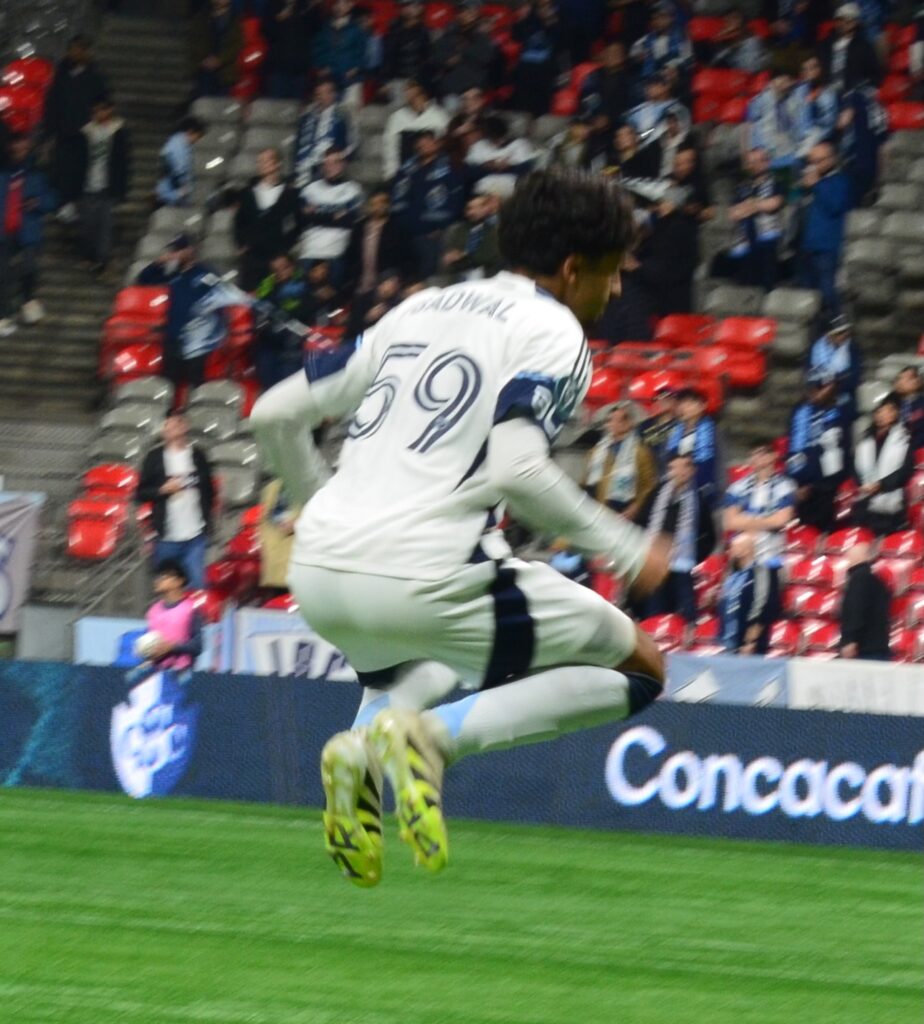
Oliver Larraz, No. 8, signed from Colorado Rapids just six weeks ago after five years and 87 appearances with the Western Conference side, looked completely at home on the continental stage. The Denver-born 24-year-old brought composure and intelligence in midfield, a seamless fit in a team that demands both.
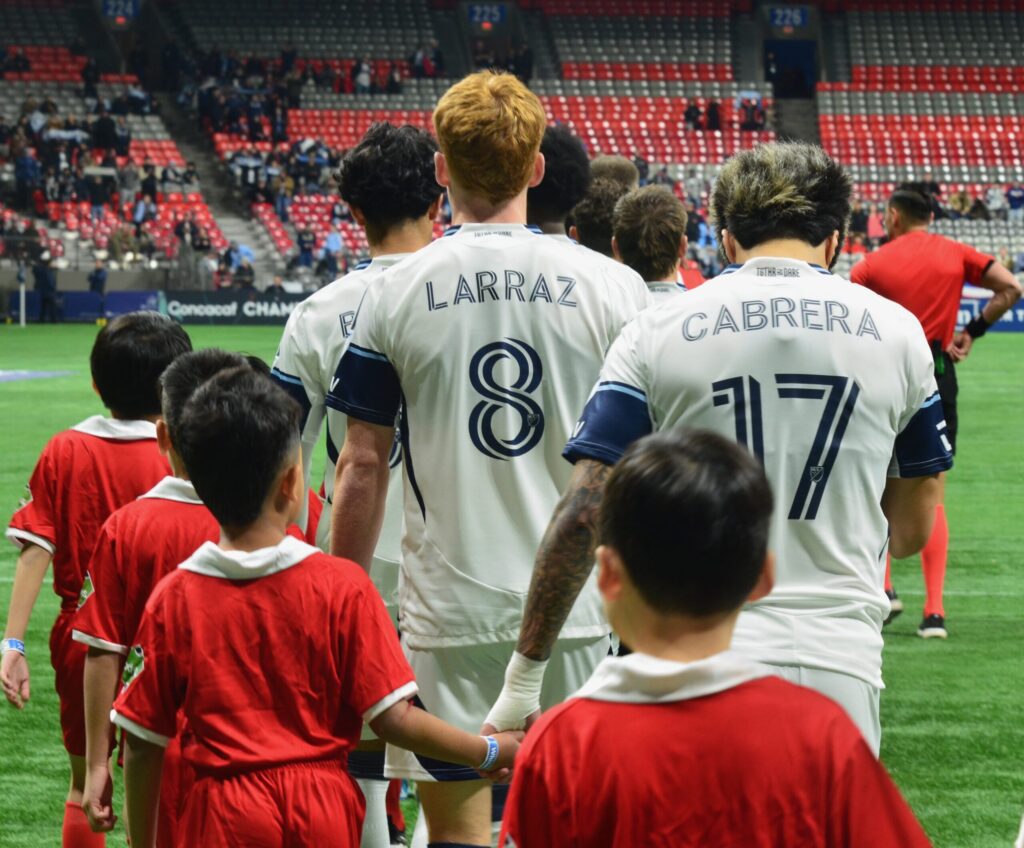
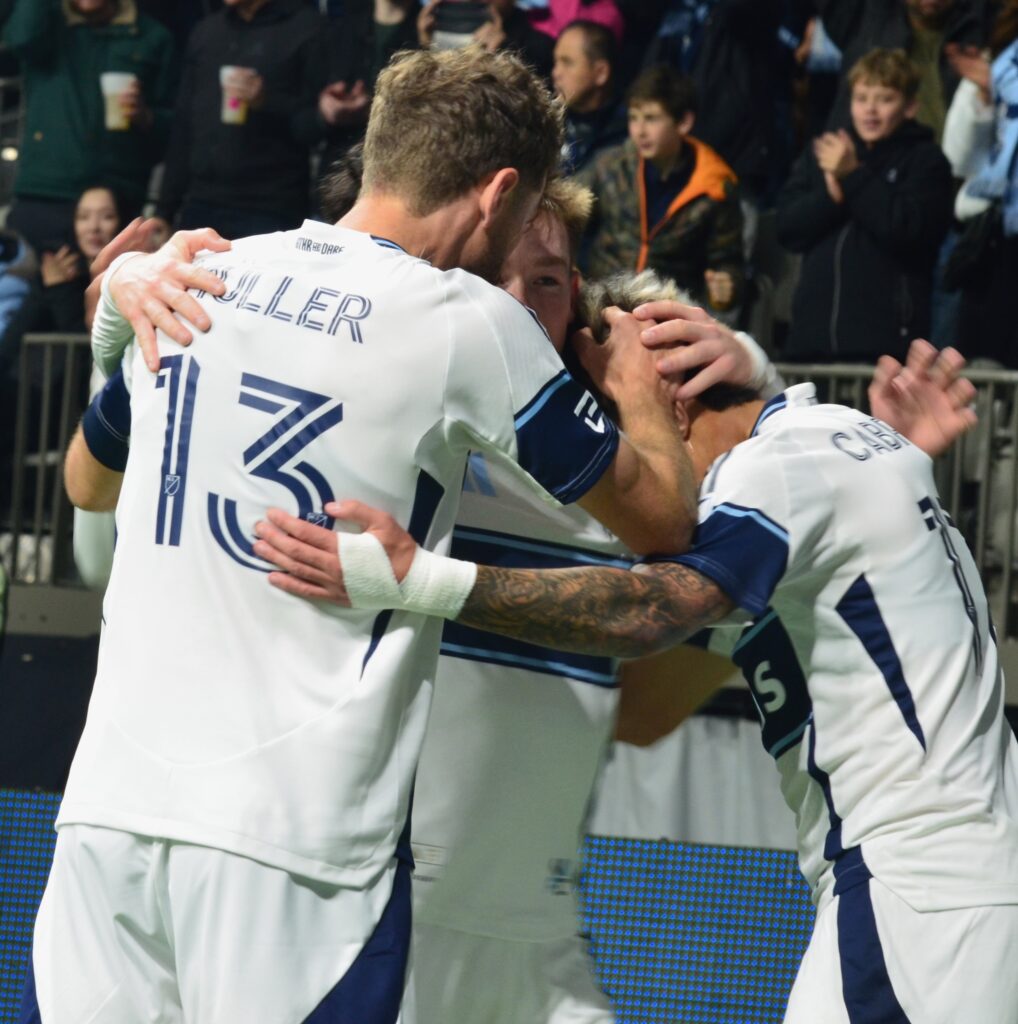
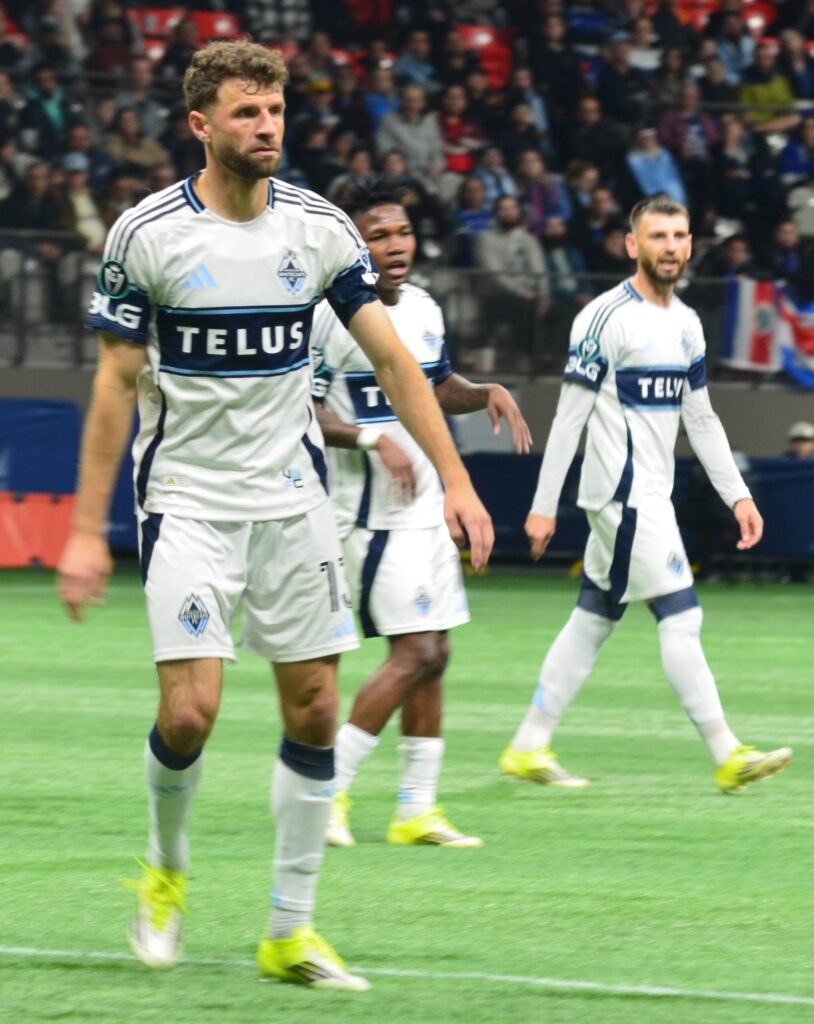
The second half brought reinforcements that deepened the performance. Uruguayan fullback Mathías Laborda, No. 2, brought his trademark attacking aggression down the left flank, providing width and energy as Cartaginés chased a game that was already beyond them. German icon Thomas Müller, No. 13, arrived off the bench to immediate effect — drifting into his signature half-spaces, linking play with the effortless football IQ that has defined a legendary career spanning two decades. Rayan Elloumi, the Canadian midfielder, also entered the fray, adding fresh legs and another layer of technical quality to an already impressive midfield.
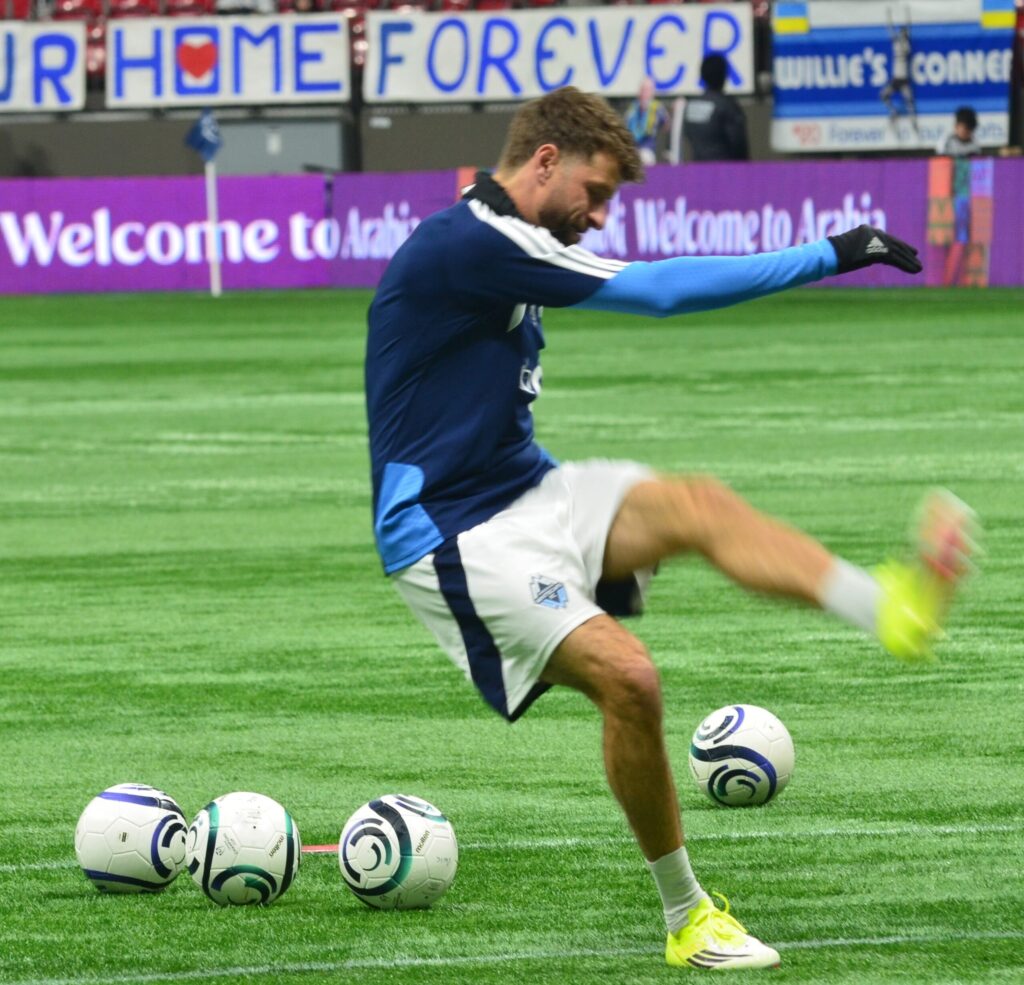

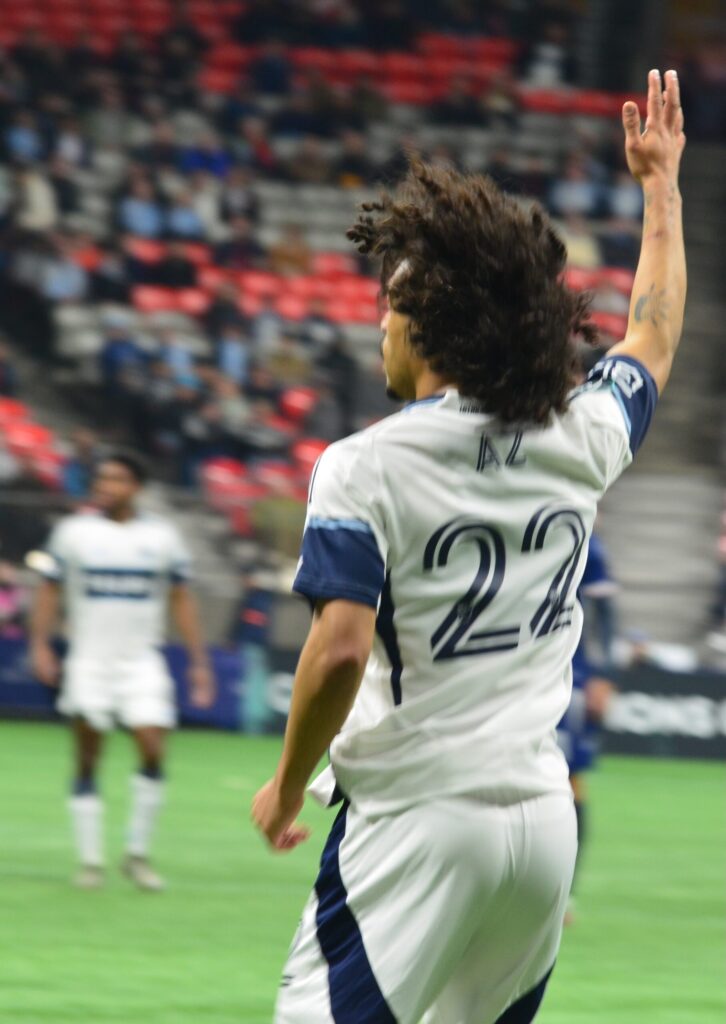
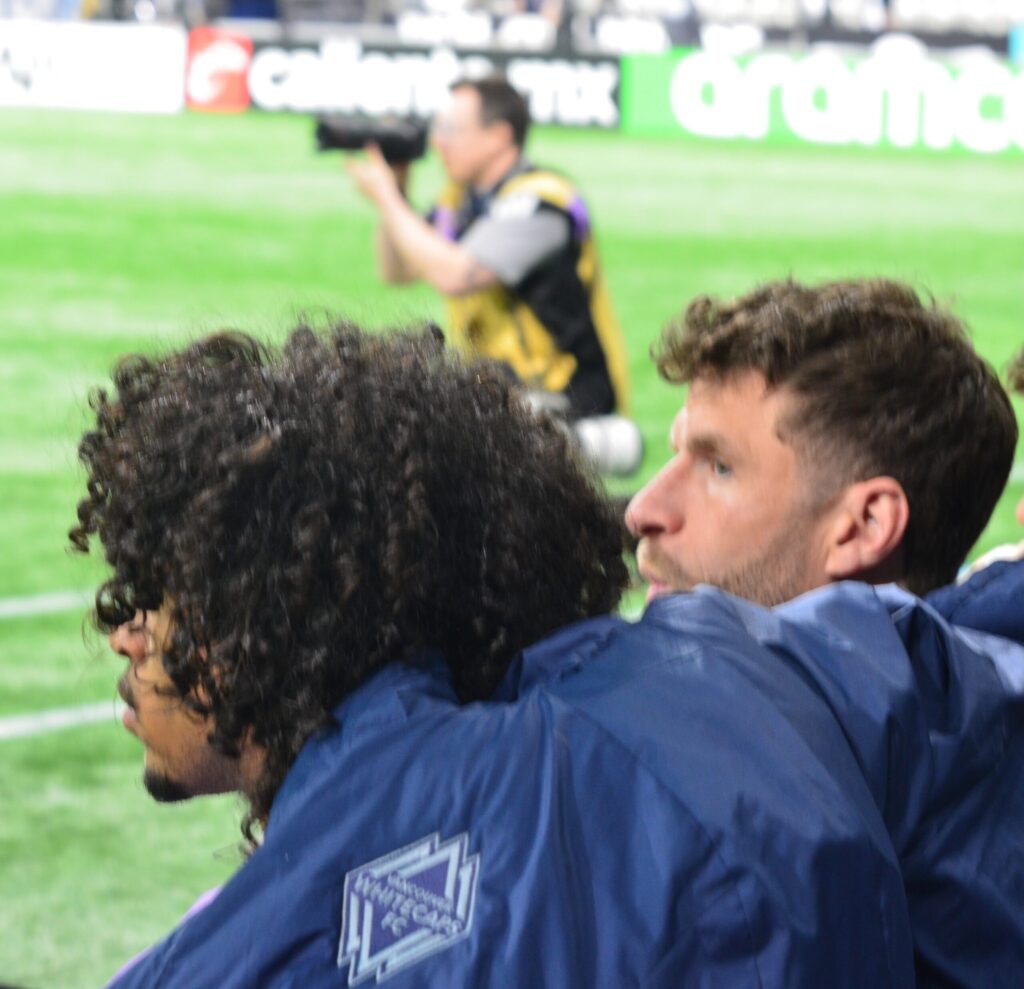
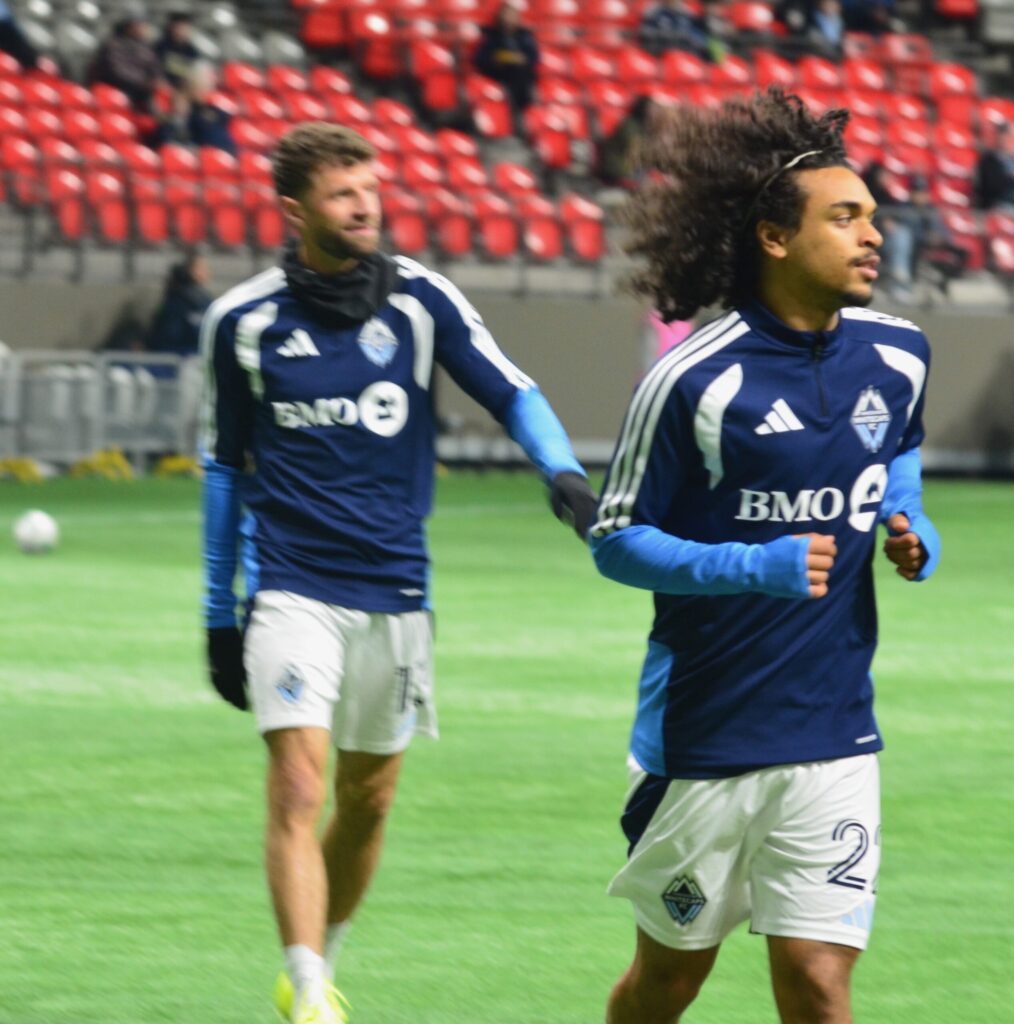
And then there was No. 22, Aziel Jackson — better known to teammates and fans simply as AZ. The 24-year-old American attacking midfielder and forward, on loan from Polish Ekstraklasa side Jagiellonia Białystok, lit up the second half with his dynamic, unpredictable running. A product of the Red Bull New York academy who went on to earn a United States men’s national team cap and win the Leagues Cup 2024 with Columbus Crew, Jackson brought exactly what Sporting Director Axel Schuster promised when he signed him — a versatile, dangerous attacker who understands the demands of this league and then some. On Wednesday night, he embodied the depth and ambition of this entire squad.
The Tournament — And How Vancouver Got Here
For those new to the Concacaf Champions Cup, a brief primer. Now in its 61st edition, the competition is the premier continental club tournament for North America, Central America, and the Caribbean — this region’s answer to the UEFA Champions League. Twenty-seven clubs compete, earning their places through domestic league performance and cup competitions. MLS sides qualify via the Supporters’ Shield standings and the Leagues Cup, Canadian clubs through the Canadian Championship, while Liga MX giants, Central American champions, and Caribbean representatives complete the bracket — ensuring the continent’s finest clubs all meet on the same stage.
Vancouver earned their place through sustained excellence. Multiple TELUS Canadian Championship titles. An MLS Cup Final appearance in 2025. And a sporting director in Axel Schuster who has spent years assembling a roster built not just for MLS weekends, but for exactly these kinds of continental nights under the lights at BC Place.
Last week, the Whitecaps travelled to the heat of Cartago, Costa Rica and ground out a disciplined, resilient 0-0 draw — keeping Vancouver’s path to the next round entirely in their own hands. Wednesday night, they used both of those hands decisively. The tournament winner earns a coveted FIFA Club World Cup berth, and with that glittering prize now hovering closer than ever, this Whitecaps group knows precisely what is at stake.
The Round of 16 awaits. The goals are coming. The crowds are coming. This city is buying in — one half at a time, one filled seat at a time, one roar at a time. Vancouver — loud, blue, and increasingly dangerous — is coming for everything.
About The Author